Daeseong-dong Tombs, Gimhae
Tombs of the Geumgwan Gaya elite. Their wooden-chamber burials held iron ingots, armour and goods from the northern steppe and Wa.
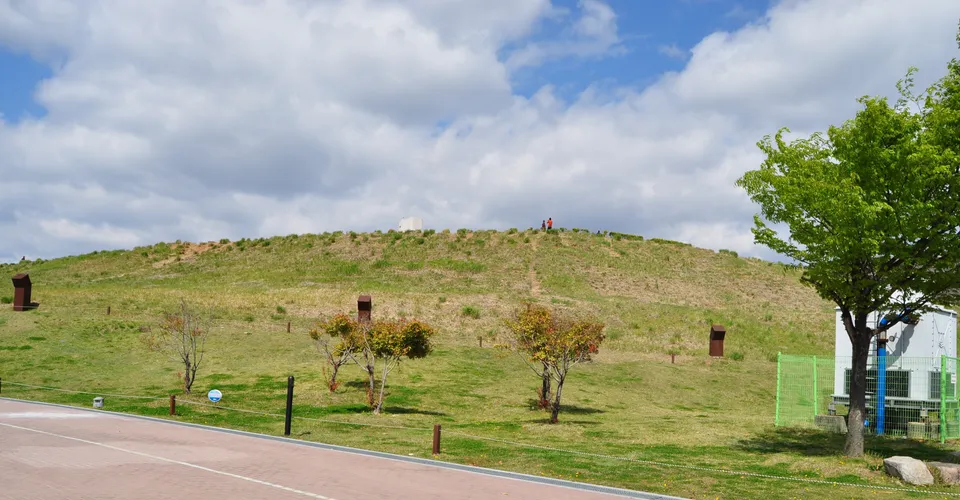
HappyMidnight · CC BY-SA 4.0 · Source
On a low hill in Gimhae lie the tombs of the kings and elite of Geumgwan Gaya. Most are wooden-chamber pit tombs, and the many iron ingots (used like money), cuirasses of joined iron plates (pangap-ot), helmets and horse fittings show the strength of this land of iron. Plate armour and iron ingots are the signature artefacts of Gaya’s iron culture.
A bronze cauldron of northern nomadic type and wheel-shaped bronzes from Wa show that Geumgwan Gaya was a hub of sea trade linking Nangnang and Wa. In 2023 it became a UNESCO World Heritage Site with the Jisan-dong tombs and others as the "Gaya Tumuli".