Egyptian Revolution of 1919 and Independence
Also called: 1919 Revolution (Egypt)
When leaders of the Wafd ("delegation") headed by Saad Zaghlul were exiled, anti-British protests swept Egypt. Britain recognized Egyptian independence in 1922 but kept troops and other privileges.
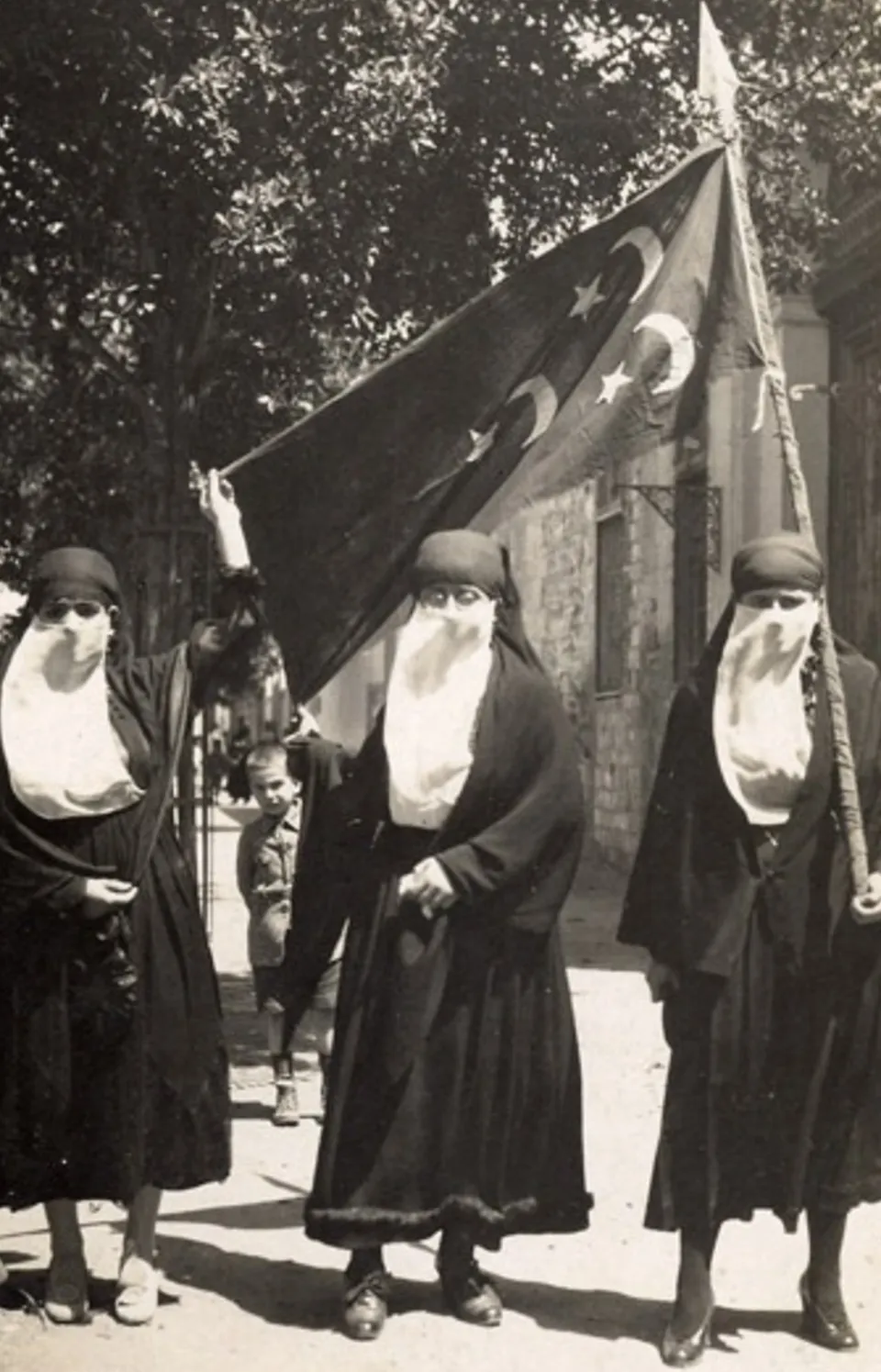
Unknown author · Public domain · Source
Britain had occupied Egypt since 1882 and declared it a protectorate at the outbreak of the First World War in 1914. When the war ended, Saad Zaghlul and others formed a delegation (Wafd) to plead for independence at the Paris Peace Conference. When Britain arrested them in March 1919 and exiled them to Malta, students, workers and peasants rose up, and demonstrations and strikes spread across the country. Muslims and Coptic Christians marched together, and women demonstrated in the streets.
Britain released Zaghlul and negotiated, but when no agreement was reached it unilaterally declared Egypt independent on 28 February 1922. Sultan Fuad I became king, a constitution followed in 1923, and the next year the Wafd won the election and Zaghlul became prime minister. Yet Britain kept control of the security of the Suez Canal, defence, the protection of foreigners and the Sudan, and its troops stayed, so full independence remained unfinished. Alongside Korea’s March First Movement and China’s May Fourth Movement in the same year, it shows the wave of national movements after the war.