Jinggangshan and the Jiangxi Soviet
Also called: Chinese Soviet Republic, Jiangxi Soviet, Jinggangshan base, Autumn Harvest Uprising
After the failed Autumn Harvest Uprising, Mao Zedong built a rural base in the Jinggang Mountains in 1927, and on 7 November 1931 the Chinese Soviet Republic was proclaimed at Ruijin in Jiangxi. After five Nationalist encirclement campaigns the base was abandoned in 1934 at the start of the Long March.
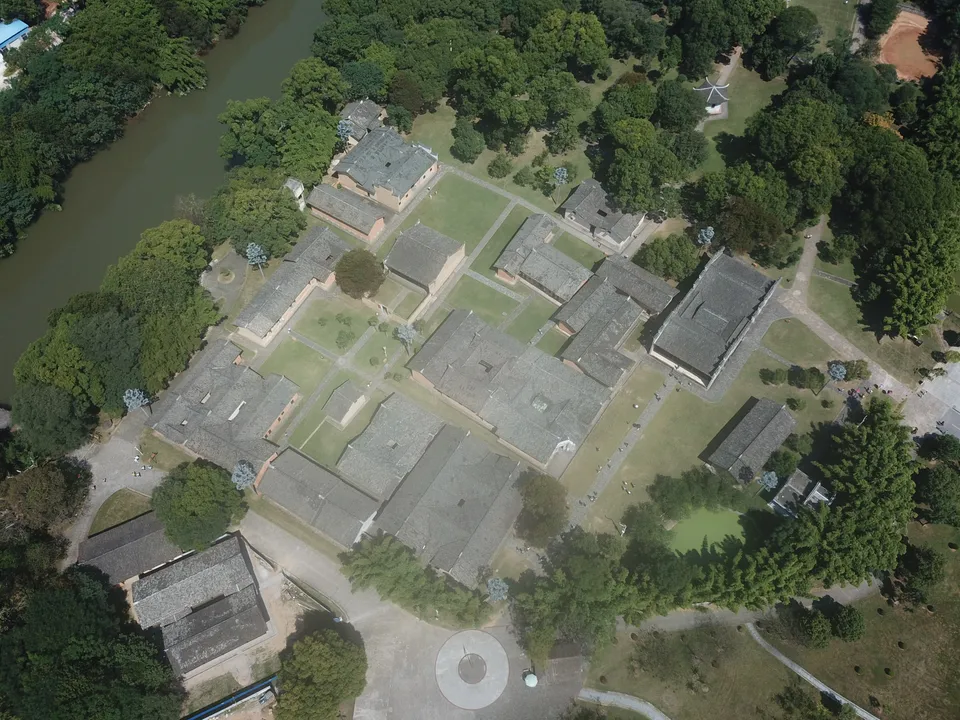
Zhangzhugang · CC BY-SA 4.0 · Source
When the Autumn Harvest Uprising in Hunan failed in September 1927, Mao Zedong led the survivors in October into the Jinggang Mountains on the Jiangxi–Hunan border. In April 1928 Zhu De arrived with the remnants of the Nanchang Uprising, forming the Fourth Red Army (the “Zhu–Mao” army), which expanded the base through guerrilla warfare and an agrarian revolution that seized and shared out landlords’ land. Early in 1929 the army left Jinggangshan for southern Jiangxi and western Fujian.
Uniting these base areas, a provisional central government of the Chinese Soviet Republic was set up at Yeping in Ruijin on 7 November 1931, with Mao as chairman of its Central Executive Committee. From 1930 Chiang Kai-shek launched five encirclement campaigns. The Red Army beat off the first four with mobile warfare, but the fifth, begun in 1933, slowly tightened a ring of blockhouses, and the positional defence insisted on by the party leadership and the Comintern adviser Otto Braun failed.
In October 1934 the main Red Army abandoned the Ruijin area and broke out westward. Within the base areas, internal purges such as the campaign against the “AB League” also took many lives.