The Malacca Sultanate and the Spread of Islam in Southeast Asia
Also called: Melaka Sultanate
Malacca on the Malay Peninsula prospered as an entrepôt between east and west, and its ruler embraced Islam. Following the merchants, Islam spread across the Malay Peninsula and Indonesia.
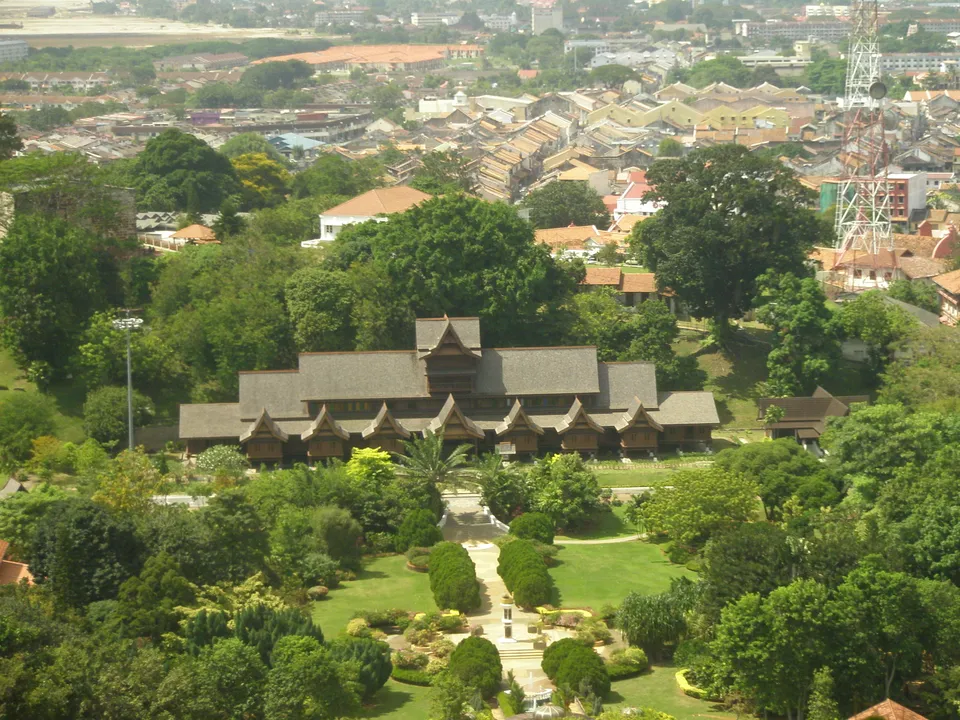
Adiput ( talk ) · Public domain · Source
Around 1400 Parameswara, a prince from Palembang in Sumatra, founded a state at the fishing village of Malacca on the Strait of Malacca. He sent tribute to the Ming and enjoyed its protection, and Zheng He’s fleets called there. Lying where the monsoons of the Indian Ocean and the South China Sea turn, it became the market for Gujarati cottons, Moluccan spices and Chinese silk and porcelain.
The ruler of Malacca converted to Islam in the early 15th century and took the title sultan; some hold that Parameswara himself converted, others that a later ruler did. Samudera Pasai in northern Sumatra had already become a Muslim kingdom by the late 13th century, and as Malacca flourished, Islam spread with Muslim merchants and Sufi preachers through the Malay Peninsula, Java and the Moluccas. The Hindu kingdom of Majapahit declined, and the foundations were laid for today’s Muslim-majority Indonesia and Malaysia. In 1511 Portugal seized Malacca.