The Mamluk Sultanate
Also called: Mamluk Sultanate of Egypt
The slave soldiers (mamluks) of Egypt’s Ayyubid dynasty killed their sovereign and seized the state. The Mamluk sultanate held off the Mongols and the Crusaders and made Cairo the centre of the Islamic world.
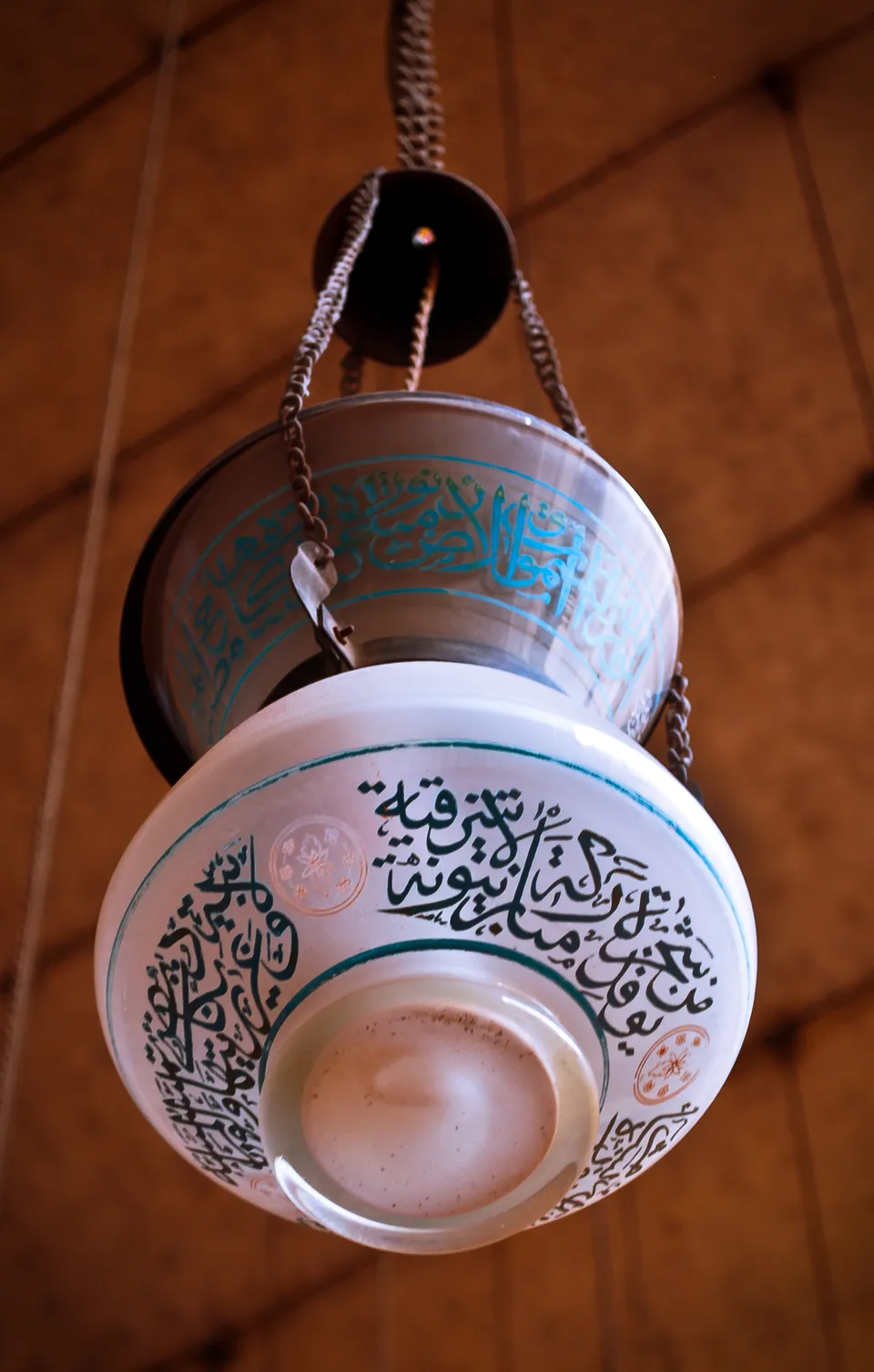
Mohammed Moussa · CC BY-SA 3.0 · Source
Mamluk means “one who is owned” in Arabic: Turkic (and later Circassian) slaves bought as boys and raised as soldiers. The Ayyubid dynasty founded by Saladin used them as its guard, and in 1250, just after the Seventh Crusade had been beaten, the mamluks murdered the new sultan Turanshah and took power. In principle the Mamluk sultanate was not hereditary: the strongest of the mamluk commanders became sultan.
Baybars, who defeated the Mongols at Ain Jalut in 1260, became sultan; he installed a member of the Abbasid family, whose caliphate the Mongols had destroyed, as caliph in Cairo and protected Mecca and Medina, posing as guardian of the Islamic world. In 1291 the Mamluks took Acre and ended the Crusader states. Cairo replaced ruined Baghdad as the centre of learning and culture and grew rich passing Indian Ocean spices through the Red Sea to Venice.
The Black Death of the mid-14th century weakened it badly, and the Portuguese sea route to India at the end of the 15th century shook the spice trade. In 1517 it fell to the Ottoman sultan Selim I.