The Phoenicians and Their Alphabet
Also called: Phoenician alphabet, Phoenicia
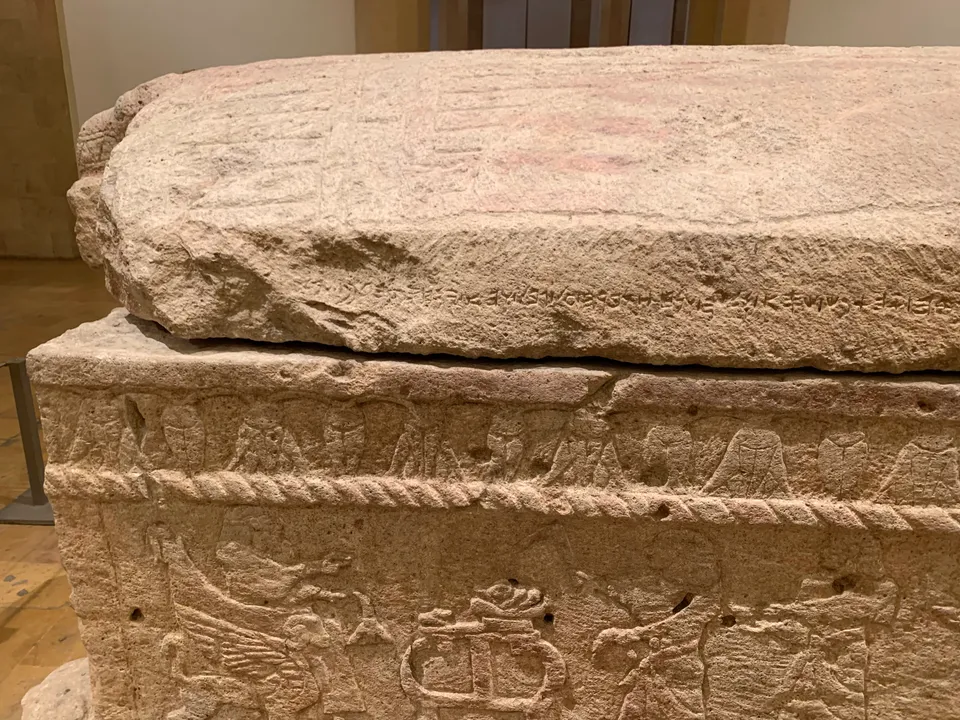
The Phoenicians of the eastern Mediterranean coast prospered through seaborne trade and wrote with an alphabet of 22 consonant letters, which passed through the Greeks to become the root of today’s alphabet.
Onceinawhile · CC BY-SA 4.0 · Source
Settled on the coast of present-day Lebanon, the Phoenicians formed city-states such as Tyre, Sidon and Byblos and took the lead in sea trade after the great powers of the eastern Mediterranean were shaken around 1200 BC. They sold cedar of Lebanon and purple dye and founded colonies around the Mediterranean, the largest being Carthage in North Africa (traditionally founded around 814 BC).
Around 1050 BC the Phoenicians refined an earlier script into an alphabet that recorded sounds with only 22 consonant letters. Far easier to learn than cuneiform or hieroglyphs with their hundreds of signs, it spread with the merchants. The Greeks added vowels to create their own alphabet, which through the Roman (Latin) script became the alphabet used today; via Aramaic it also gave rise to the Hebrew and Arabic scripts.