Carving the Tripitaka Koreana
Hoping the Buddha’s power would drive out the Mongols, Goryeo set up a Tripitaka directorate on Ganghwa and spent 16 years carving more than 80,000 woodblocks, now kept at Haeinsa in Hapcheon.
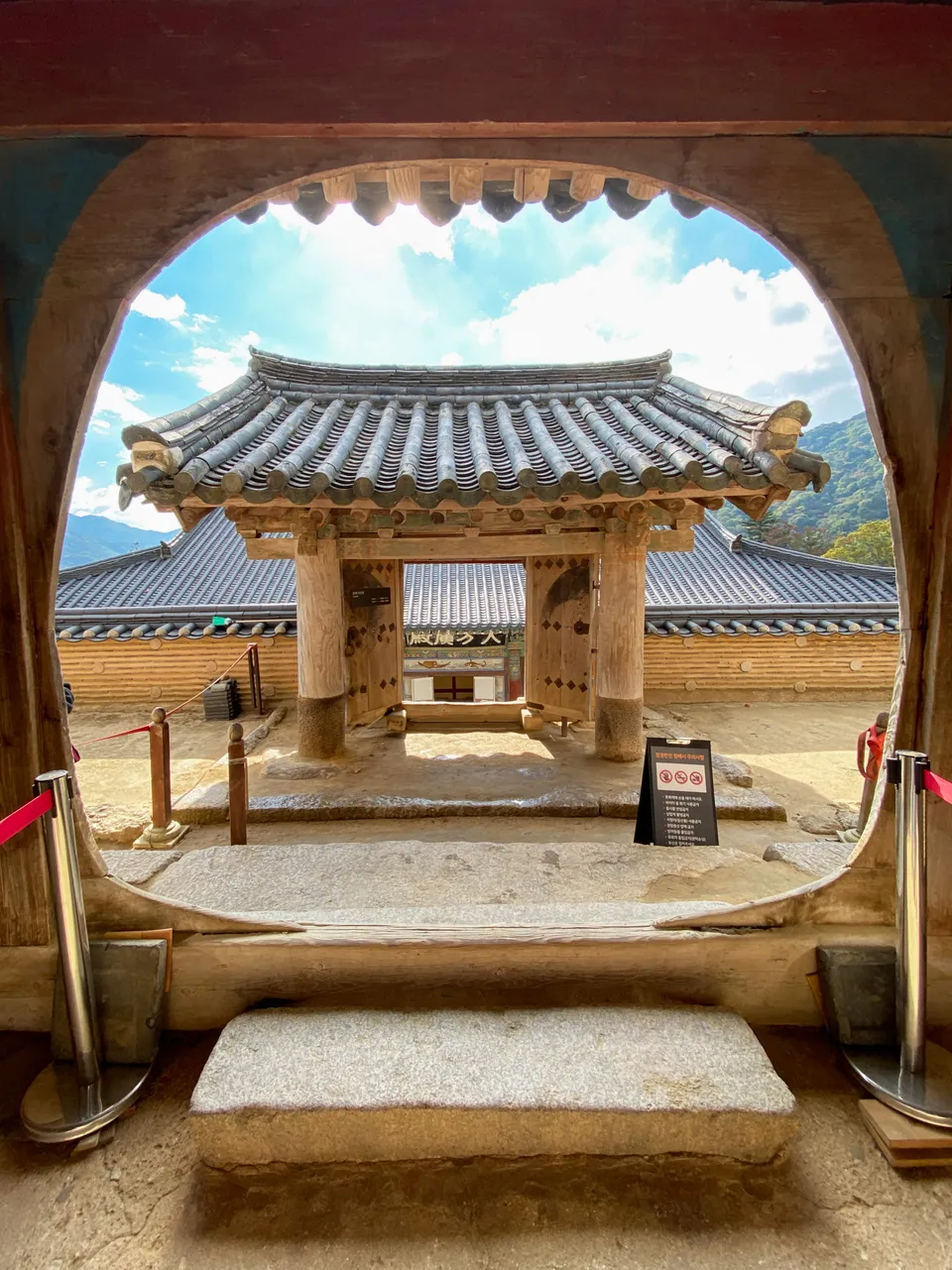
After the first Tripitaka burned in the second Mongol invasion, Choe U set up a directorate on Ganghwa in 1236, with a branch at Namhae, to carve it anew. Finished in 1251, the 81,258 blocks are known as the Palman Daejanggyeong ("Eighty-Thousand Tripitaka"). In a prayer composed for the occasion, Yi Gyu-bo recalled that when the canon was carved during the Khitan invasions the enemy withdrew.
The blocks were kept on Ganghwa and, by the usual account, moved to Haeinsa around 1398. Renowned for their accuracy and even calligraphy, they became Memory of the World in 2007, and the Janggyeong Panjeon halls that house them World Heritage in 1995.