Ascanius and the Kings of Alba Longa
Also called: Alba Longa, Rhea Silvia, Numitor, Amulius, Iulus
A legend handed down over the centuries.
A Roman founding legend told by Livy (Book 1) and Dionysius. Aeneas’ son Ascanius founded Alba Longa below the Alban Mount, and his descendants ruled for three hundred years, until Amulius seized the throne from his brother Numitor and made his niece Rhea Silvia a Vestal Virgin.
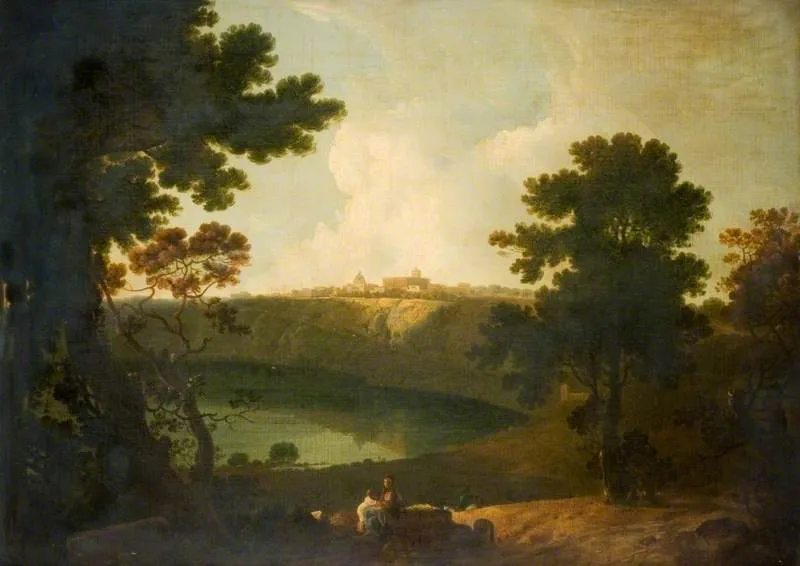
Richard Wilson · Public domain · Source
This Roman founding legend is told in Book 1 of Livy’s History of Rome, in Dionysius’ Roman Antiquities and in Book 4 of Ovid’s Fasti, among others. After Aeneas’ death his son Ascanius left crowded Lavinium and founded a new town, Alba Longa (“the long white city”), below the Alban Mount — thirty years after the founding of Lavinium, says Livy. Kings of the Silvian line followed one after another, and Livy lists their names in turn.
In the reign of King Numitor, his younger brother Amulius drove him out and took the throne. Amulius killed Numitor’s sons and made his daughter Rhea Silvia a Vestal Virgin, sworn to lifelong chastity, to end his line. But Rhea Silvia bore twins, Romulus and Remus, said to be the sons of Mars, the god of war.
Alba Longa is said to have stood by Lake Albano south-east of Rome (near today’s Castel Gandolfo), but its site has not been confirmed by archaeology. Many scholars regard the kings of Alba Longa as a list invented later to bridge the centuries between the fall of Troy (12th century BC) and the founding of Rome (8th century BC), so the story is not placed on the map or the timeline. The Alban Hills did hold many Iron Age Latin villages and cemeteries, and Rome is said to have destroyed Alba in the 7th century BC.