The Argonautica of Apollonius
Also called: Argonautica, Apollonius of Rhodes, Apollonius Rhodius
In the 3rd century BC, in Ptolemaic Alexandria, the poet and scholar Apollonius composed the Argonautica, an epic in four books on the voyage of the Argo. Its searching portrait of Medea’s love for Jason influenced Virgil’s Aeneid.
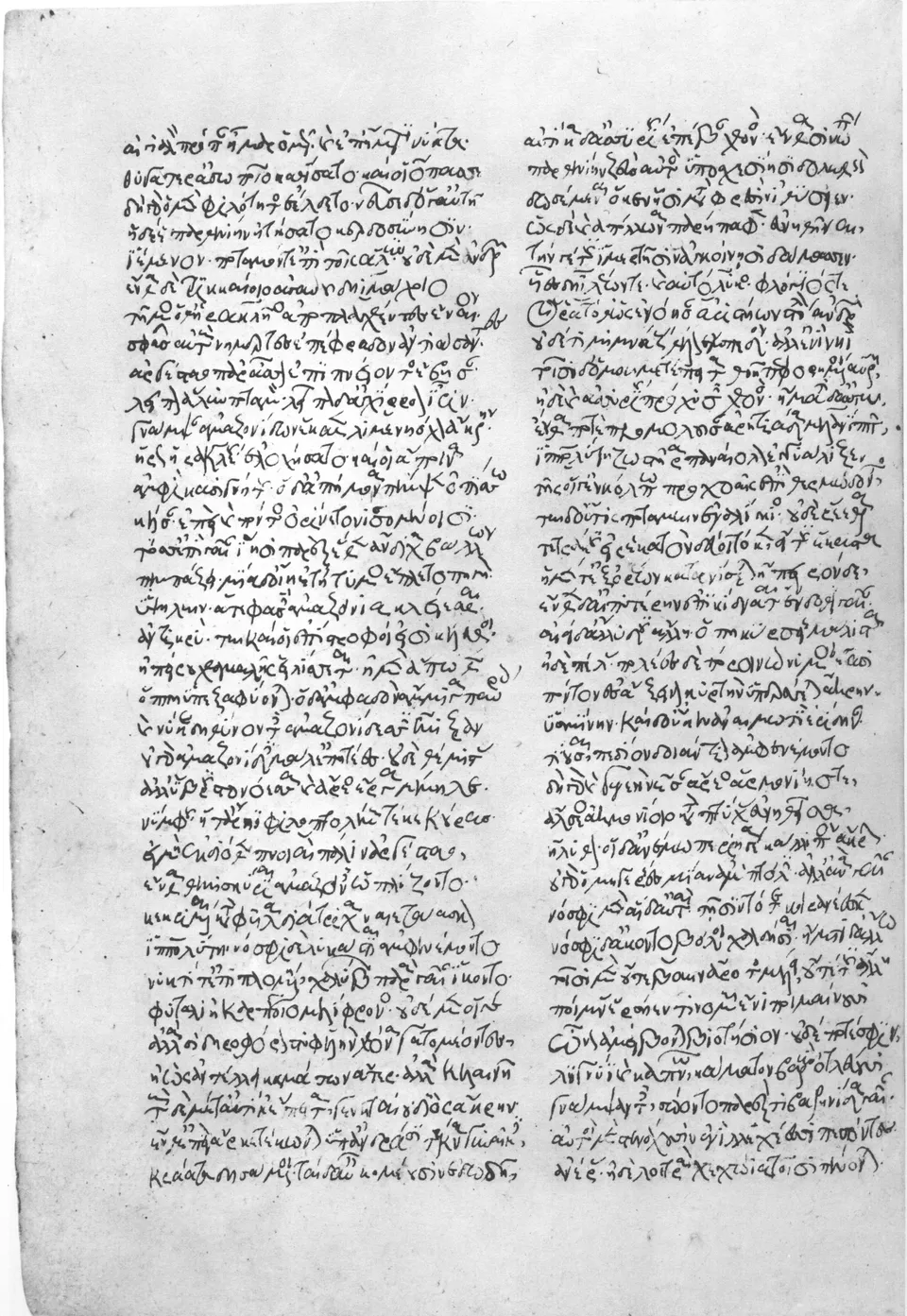
Apollonius of Rhodes · Public domain · Source
Apollonius of Rhodes was a poet and scholar active in Alexandria, said to have been head of the Library of Alexandria founded by the Ptolemies. His Argonautica tells the story of Jason and the Argonauts from beginning to end in four books of fewer than 6,000 lines. It is thought to date from the reign of Ptolemy II or a generation later, but the exact date is unknown. It is the most complete ancient work to tell the Argonaut story as a single narrative.
While following Homer’s form, it stands out for its hesitant, human Jason and its deep portrayal of Medea tormented by love. Stories that he quarrelled with his fellow poet Callimachus and left for Rhodes are considered unreliable. In Rome Varro Atacinus translated it into Latin and Valerius Flaccus imitated it, and Virgil took Medea’s love as a model for his Dido in the Aeneid.