Politics15 May 1712(Lunar)

Baekdusan boundary stele

Joseon and Qing officials climbed Mount Baekdu, fixed the border and set up a stele; its mention of the “Tomun” River later fed the Gando dispute.
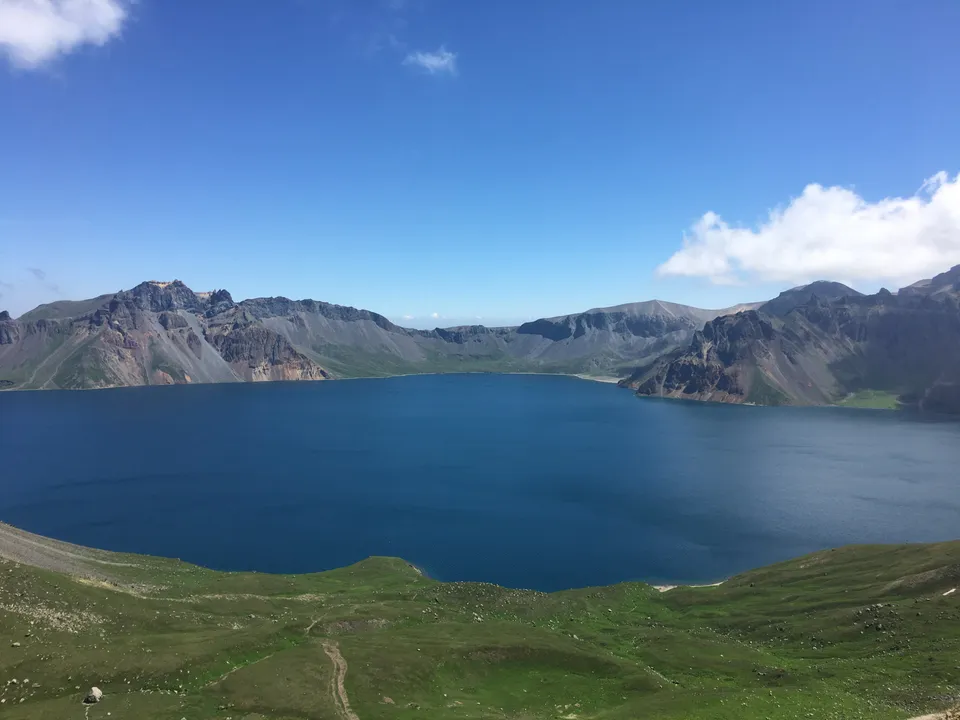
Heaven Lake (Cheonji) on Mount Baekdu

SSchlhmr · CC BY-SA 4.0 · Source

The Qing official Mukedeng and Joseon officials set up the stele at a watershed south of the summit. It read: “To the west the Yalu, to the east the Tomun, form the boundary.”

When many Koreans settled in Gando in the later nineteenth century, Joseon argued that the Tomun was a tributary of the Songhua, making Gando Korean, while Qing held it was the Tumen. The Korean Empire sent Yi Beom-yun as inspector of Gando in 1903, but in 1909 Japan, which then controlled Korea’s foreign affairs, recognised Gando as Qing territory in the Gando Convention — an agreement Korean scholars regard as void. The stele disappeared around the Manchurian Incident of 1931.
The map in 1712

OpenFreeMap © OpenMapTiles © OpenStreetMap contributors

States and rulers at the time
Joseon — Sukjong
Qing — Kangxi Emperor
Places
Baekdusan Boundary Stele

People

  • Sukjong1661 – 1720

    monarch · Nineteenth king of Joseon, who used factional reversals to strengthen the throne

Before and after

Later
1721 Sinim Purges

Themes that include this event

  • Ming, Qing and Edo Japan1500 – 1800

    The age when the Ming, shaken by northern raiders, southern pirates and the silver economy, fell to Li Zicheng’s rebels, and the Manchu Qing reached its greatest extent and prosperity under Kangxi, Yongzheng and Qianlong — as Japan was unified out of the Warring States into the Edo shogunate’s bakuhan order and closed country, and Joseon, after two great wars, met its neighbours through embassies to Edo and the Northern Learning