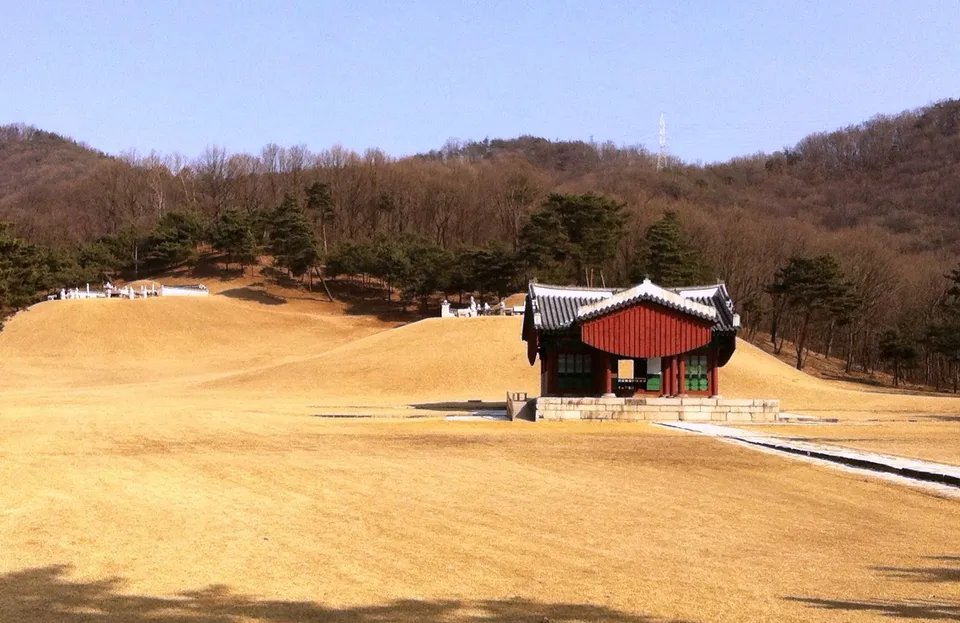
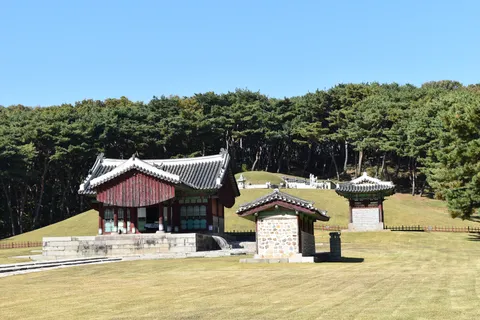
Myeongneung, the tomb of King Sukjong, Seooreung, Goyang

Naturehead · CC BY-SA 3.0 · Source

Person1661 – 1720

Sukjong

Nineteenth king of Joseon, who used factional reversals to strengthen the throne

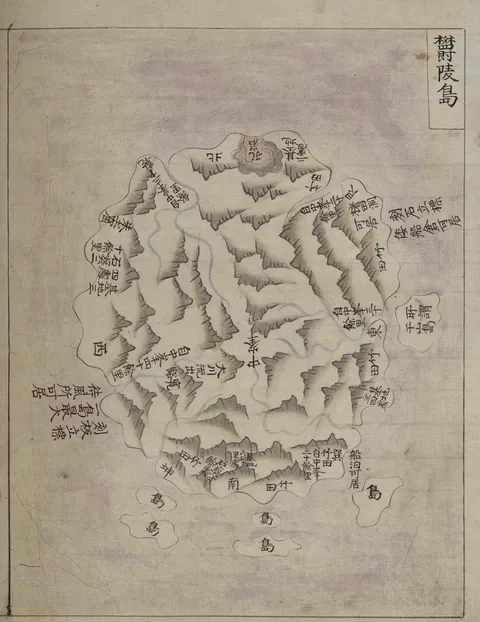
Through the changes of power (hwanguk) of 1680, 1689 and 1694 he replaced ruling factions wholesale and strengthened royal authority, and in the process the Westerners split into Noron and Soron. In 1682 he set up the Geumwiyeong, completing the Five Army Camps. He had the Sangpyeong tongbo circulated nationwide and established the Choryang Waegwan. An Yong-bok's actions settled the question of Ulleungdo. In 1712 he erected the Baekdusan boundary stele with Qing, inscribed "Amnok to the west, Tomun to the east." He built the Daebodan altar to the Ming emperors and restored Danjong's royal status.
Where they went

OpenFreeMap © OpenMapTiles © OpenStreetMap contributors

7 related events

  1. 1

    The Japan House at Dumopo in Dongnae was moved to Choryang and greatly enlarged. Late Joseon trade with Japan was conducted there.

  2. 2

    On the advice of Heo Jeok and others, Sukjong made the Sangpyeong tongbo the legal coinage and had it minted widely; by the late 18th century it circulated nationwide.

  3. 3

    Three times Sukjong replaced the ruling faction wholesale (1680, 1689, 1694); along the way the Westerners split into the Noron and Soron.

  4. 4

    King Sukjong set up the Geumwiyeong, completing the system of Five Army Camps together with the Hullyeon Dogam, Eoyeongcheong, Chongyungcheong and Sueocheong.

  5. 5

    After clashing with Japanese fishermen on Ulleungdo, An Yong-bok travelled to Japan twice to assert that Ulleungdo and Dokdo belonged to Joseon.

  6. 6

    A two-storey hall finished in 1702 — two storeys outside, one open space inside, in the multi-bracket style; one of the largest wooden Buddhist halls in Korea.

  7. 7

    Joseon and Qing officials climbed Mount Baekdu, fixed the border and set up a stele; its mention of the “Tomun” River later fed the Gando dispute.

Related works

  • TV drama: Dong YiDramatizedTV drama · 2010 · Lee Byung-hoon, Kim Sang-hyub · MBC

Dramatized works (films, dramas, novels) may differ from the historical record.

People who appear alongside

  • Heo Jeok1610 – 1680

    Southerner chief state councillor who had the Sangpyeong tongbo coin minted for general use; ousted and executed in the 1680 change of power

  • Song Si-yeol1607 – 1689

    Leader of the Westerners (later the Noron), adviser to Hyojong’s northern campaign plan and chief voice in the mourning-rite disputes; forced to take poison in 1689

  • Injo1595 – 1649

    Sixteenth king of Joseon, enthroned by coup; endured two Manchu invasions and surrendered at Samjeondo

  • Hyojong1619 – 1659

    Seventeenth king of Joseon; a former hostage in Qing who planned a northern campaign and sent troops against Russia

  • An Yong-bok

    Fisherman from Dongnae who went to Japan to assert that Ulleungdo and Dokdo belonged to Joseon

Themes this person appears in

  • Factional Politics in Joseon1498 – 1863

    From the literati purges to in-law government — how Sarim factions moved from coexistence and checks to purges and one-faction rule, then through Tangpyeong to the dominance of a few clans

  • History of Korean CurrencyAD 996 – 1905

    From Geonwon Jungbo to the 1905 currency reform — how coins took hold in an economy of rice and cloth, and how monetary sovereignty was lost

  • Ming, Qing and Edo Japan1500 – 1800

    The age when the Ming, shaken by northern raiders, southern pirates and the silver economy, fell to Li Zicheng’s rebels, and the Manchu Qing reached its greatest extent and prosperity under Kangxi, Yongzheng and Qianlong — as Japan was unified out of the Warring States into the Edo shogunate’s bakuhan order and closed country, and Joseon, after two great wars, met its neighbours through embassies to Edo and the Northern Learning

  • Military Systems Through the AgesAD 685 – 1907

    From the Nine Oath Banners to the Two Armies and Six Guards, the Five Commands and garrison system, the Five Army Camps and the Board of Marshals — armies rebuilt at every crisis

  • Reformation and Absolutism1517 – 1796

    From Luther’s Ninety-five Theses to Catherine the Great — the wars of religion of a divided Christendom ended at Westphalia, and absolute monarchs armed with divine right, standing armies, bureaucracies and mercantilism, followed by the enlightened despots of eastern Europe, contended for the balance of power among sovereign states

  • Changes in Architecture1200 – 1910

    From Geungnakjeon at Bongjeongsa to Seokjojeon at Deoksugung — Goryeo bracket styles, Joseon palaces, walls and multi-storey temple halls, and the Western buildings of the Korean Empire

  • Busan1443 – 1979

    Port of the Japan House and of the 1876 opening — Korea’s gateway to Japan, and wartime capital in the Korean War

  • Ulleungdo and DokdoAD 512 – 1905

    From Isabu’s conquest of Usan-guk to Imperial Decree No. 41 — two East Sea islands recorded as Korean throughout