Religion552 (Nihon shoki)

Baekje Brings Buddhism to Wa

King Seong sent the envoy Norisachigye with Buddhist images and sutras to Wa; Baekje culture strongly influenced the formation of Japan’s Asuka culture.
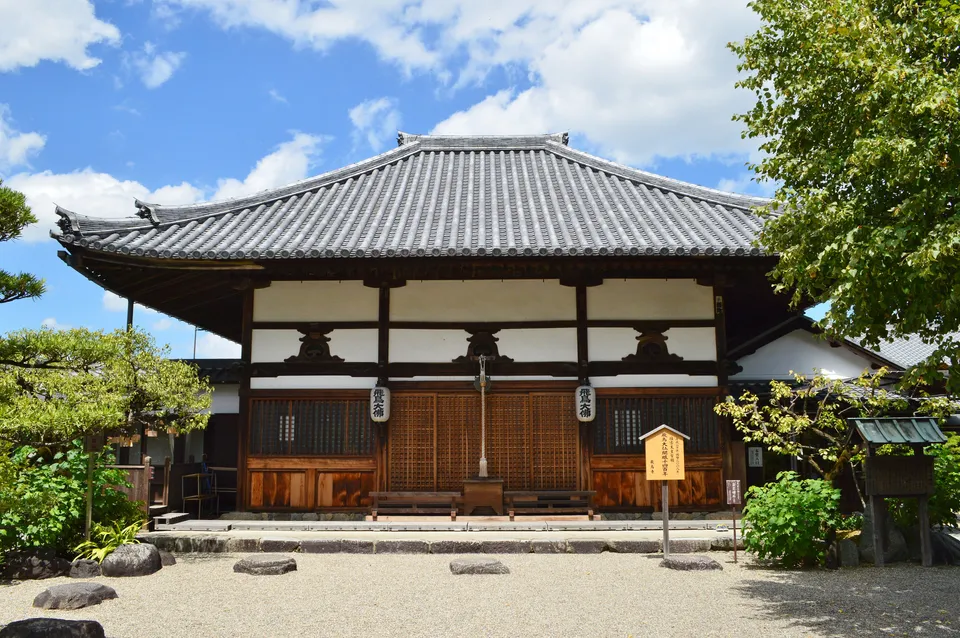
Asuka-dera, Nara — Japan’s first full-scale temple, built from 588 with craftsmen sent from Baekje

Saigen Jiro · CC0 · Source

Baekje had long passed learning to Wa: Achikki and Wang In are said to have taught Chinese writing, the Analects and the Thousand Character Classic, and in the 6th century scholars of the classics, medicine and calendar went over with monks and craftsmen. From Goguryeo came Damjing (paper and ink) and Hyeja, tutor to Prince Shōtoku; from Silla, shipbuilding and dyke-building.

The map in AD 552

OpenFreeMap © OpenMapTiles © OpenStreetMap contributors

States and rulers at the time
Baekje — King Seong
Wa
Places
Sabi (Busosanseong)

People

  • King Seong of BaekjeAD 554

    monarch · Twenty-sixth king of Baekje, who moved the capital to Sabi and died at Gwansan Fortress

  • Achikki

    related figure · Baekje scholar said to have gone to Wa around the reign of King Geunchogo, taught Chinese writing to the crown prince and recommended Wang In

  • Wang In

    related figure · Baekje scholar said to have brought the Analects and the Thousand Character Classic to Wa and taught Chinese writing

  • Damjing

    related figure · Goguryeo monk and painter who went to Japan in 610 and taught the making of paper, ink and millstones

Before and after

Themes that include this event

  • Sui, Tang and the East Asian WorldAD 317 – AD 979

    From the divided Southern and Northern Dynasties and the Gupta age through the Sui and Tang empires to the founding of the Song — the age when an East Asian world sharing law codes, Buddhism, Confucianism and Chinese characters took shape, and Korea and Japan built their states on its model

  • Buyeo2000 BC – 1376

    From the Songguk-ri village to Sabi, Baekje’s last capital — the Geum River town where Baekje culture bloomed and fell