ConflictAugust 663(Lunar)

Battle of Baekgang

A Wa fleet sent to aid the Baekje rebels was crushed by the Silla–Tang allies at the mouth of the Baek River; 400 ships burned.
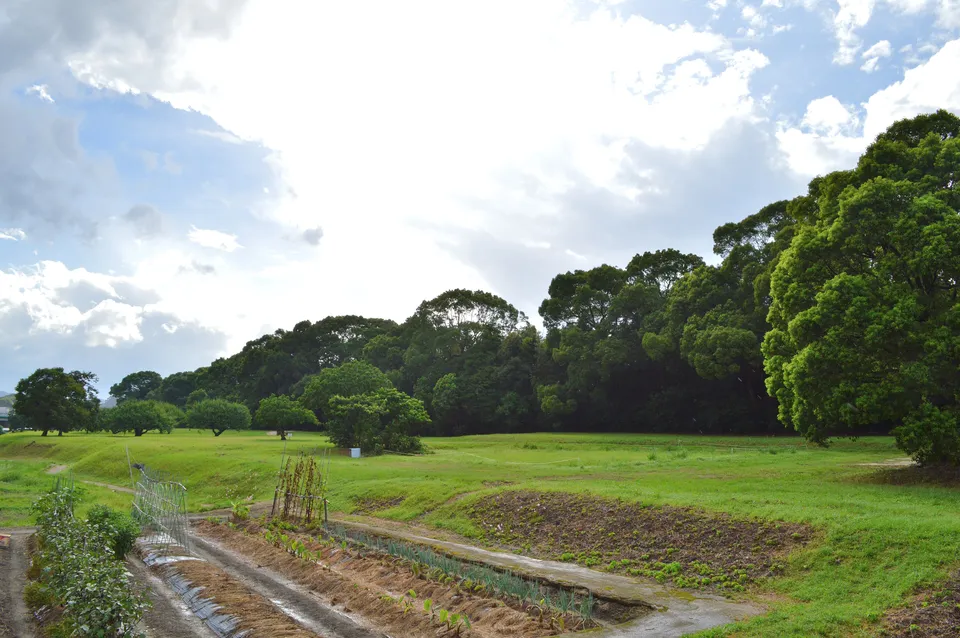
Mizuki, Dazaifu — earthwork rampart built by Wa in 664 after the defeat at Baekgang

Saigen Jiro · CC0 · Source

Buyeo Pung, leader of the Baekje restoration, killed Boksin in 663 and appealed to Wa, which sent some 27,000 men and many ships. In the eighth month of 663, at the mouth of the Baek River, the Tang fleet under Liu Rengui met the Wa fleet in four engagements, won them all and burned 400 ships; smoke and flame are said to have filled the sky and turned the sea red. Meanwhile Silla troops under King Munmu and Kim Yu-sin attacked the rebels on land.

Pung fled to Goguryeo, and Juryu Fortress fell in the ninth month, breaking the movement. The Baek River is usually identified with the Geum estuary, though some place it at the mouth of the Dongjin.

The battle pitted Baekje and Wa against Silla and Tang in an East Asian international war. Defeated, Wa built Baekje-style mountain fortresses in Kyushu and along the Inland Sea against invasion, and many Baekje refugees settled in Japan, influencing the formation of the early Japanese state.

The map in AD 663

OpenFreeMap © OpenMapTiles © OpenStreetMap contributors

States and rulers at the time
Tang · victor — Emperor Gaozong
Silla · victor — King Munmu
Wa · reinforcements
Places
Mouth of the Baek River

People

  • King MunmuAD 626 – AD 681

    monarch · Thirtieth king of Silla, who destroyed Goguryeo, expelled Tang and completed unification

  • Buyeo Pung

    related figure · Son of King Uija, brought back from Wa as king by the Baekje restoration forces, who fled to Goguryeo after the defeat at Baekgang

Themes that include this event

  • Wars of Korean UnificationAD 598 – AD 676

    From Goguryeo's wars with Sui and Tang to Silla's unification — eighty years of East Asian war on the peninsula

  • Sui, Tang and the East Asian WorldAD 317 – AD 979

    From the divided Southern and Northern Dynasties and the Gupta age through the Sui and Tang empires to the founding of the Song — the age when an East Asian world sharing law codes, Buddhism, Confucianism and Chinese characters took shape, and Korea and Japan built their states on its model

  • Buyeo2000 BC – 1376

    From the Songguk-ri village to Sabi, Baekje’s last capital — the Geum River town where Baekje culture bloomed and fell