Politics1649 – 1659

Hyojong’s Northern Expedition Plan

Hyojong, once a hostage in Qing, expanded the Eoyeongcheong army and recruited Song Si-yeol and others to prepare a campaign against the Qing; the plan died with him.
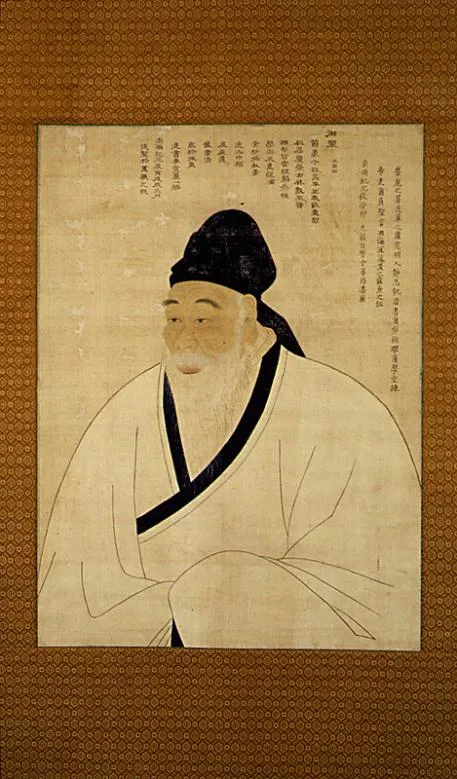
Portrait of Song Si-yeol, who planned the northern expedition with King Hyojong (National Treasure)

Unknown author · Public domain · Source

The call to avenge the humiliation of 1637 became state policy under Hyojong. He enlarged the Eoyeongcheong army, repaired fortresses and brought Westerner scholars such as Song Si-yeol into government. But the Qing had conquered China and were at the height of their power; Joseon troops instead marched at Qing request against the Russians on the Amur (1654, 1658). Hyojong’s death in 1659 ended the plan.

The northern campaign also served the Westerners as a banner for keeping power. The Southerner Yun Hyu revived it under Sukjong without result, and in the eighteenth century scholars began instead to urge learning from Qing (Northern Learning).
The map in 1649

OpenFreeMap © OpenMapTiles © OpenStreetMap contributors

States and rulers at the time
Joseon — Hyojong
Qing — Shunzhi Emperor

People

  • Hyojong1619 – 1659

    leader · Seventeenth king of Joseon; a former hostage in Qing who planned a northern campaign and sent troops against Russia

  • Song Si-yeol1607 – 1689

    participant · Leader of the Westerners (later the Noron), adviser to Hyojong’s northern campaign plan and chief voice in the mourning-rite disputes; forced to take poison in 1689

Before and after

Related works

  • Documentary: History Special Episode 17: The Northern Expedition Plan and the Fate of JoseonDocumentary · 2009 · KBS1

Themes that include this event

  • Ming, Qing and Edo Japan1500 – 1800

    The age when the Ming, shaken by northern raiders, southern pirates and the silver economy, fell to Li Zicheng’s rebels, and the Manchu Qing reached its greatest extent and prosperity under Kangxi, Yongzheng and Qianlong — as Japan was unified out of the Warring States into the Edo shogunate’s bakuhan order and closed country, and Joseon, after two great wars, met its neighbours through embassies to Edo and the Northern Learning