Politics17 August 1899

Constitution of the Korean Empire (Daehan-guk gukje)

The Korean Empire issued a nine-article basic law declaring it an independent empire and an autocracy in which the emperor held unlimited power.
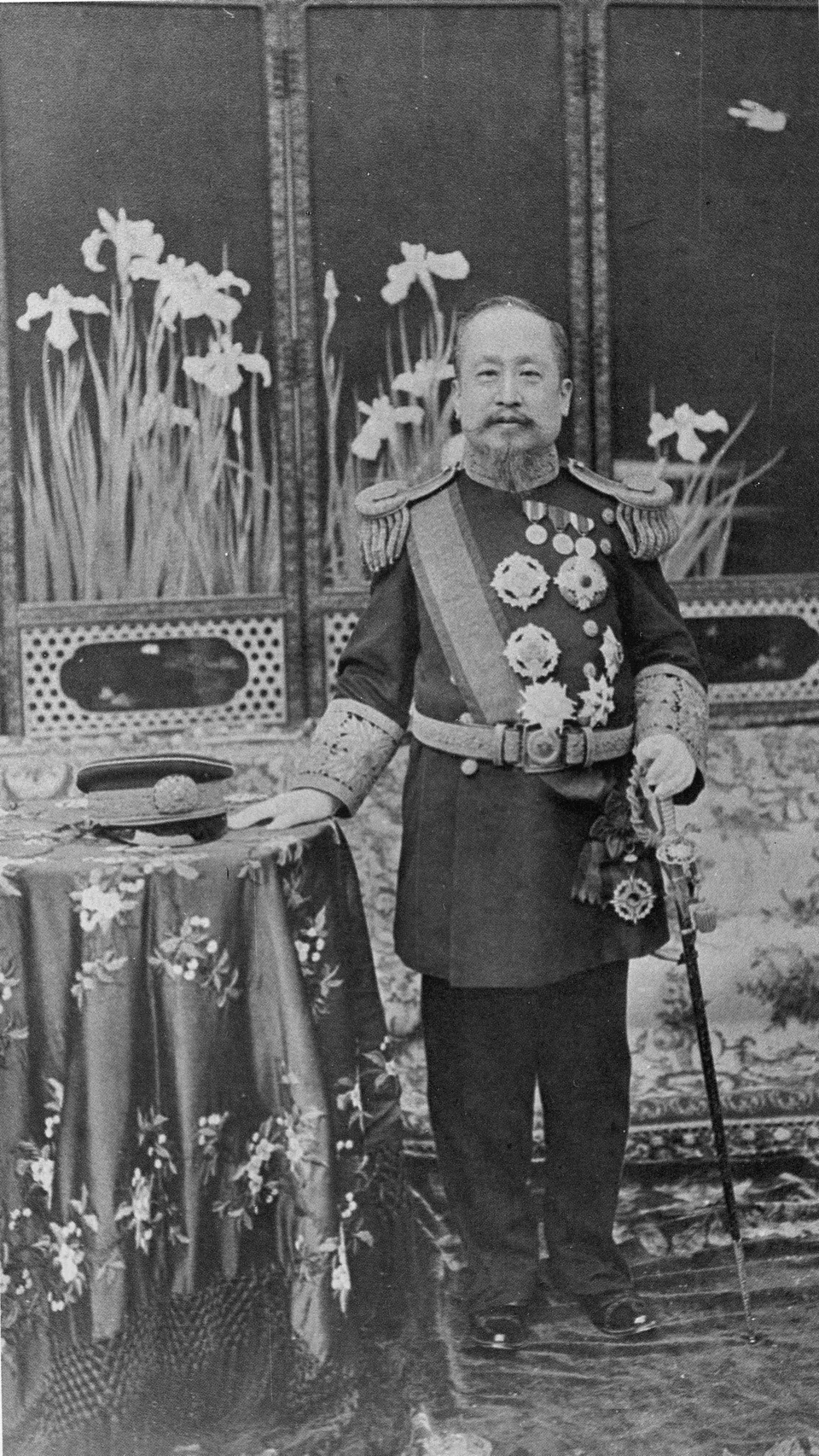
Emperor Gojong of the Korean Empire, whose unlimited sovereignty the 1899 constitution declared

Unknown author · Public domain · Source

Article 1 declared that "the Korean Empire is an independent empire recognized by all nations of the world", and Article 2 that its government was "an autocracy unchanged for ten thousand generations". The emperor held supreme command of the army, the power to make and promulgate laws, grant pardons, appoint officials, conclude treaties and send envoys. It said nothing about the rights of the people.

Coming after the Independence Club was dissolved, it fixed imperial power in law and shows the character of the Gwangmu Reform.

The map in 1899

OpenFreeMap © OpenMapTiles © OpenStreetMap contributors

States and rulers at the time
Korean Empire — Gojong
Places
Gyeongungung (Deoksugung)

People

  • Gojong1852 – 1919

    monarch · Twenty-sixth king of Joseon and first emperor of the Korean Empire

Before and after

Themes that include this event

  • Central Government Through the AgesAD 250 – 1899

    From the noble councils of the Three Kingdoms to the State Council, the Border Defense Council and the Gabo cabinet — how central government shifted between aristocratic consensus and royal power

  • The Opening of East Asia1839 – 1901

    From the Opium War to the Boxer Protocol — sixty years in which China, Japan and Korea, forced open by Western gunboats, each tried to reform and went separate ways