The Umayyads of Córdoba
Also called: Caliphate of Córdoba, Emirate of Córdoba
Abd al-Rahman I, an Umayyad who survived the Abbasid revolution, founded the Umayyad state of Córdoba in Iberia. In 929 Abd al-Rahman III proclaimed himself caliph.
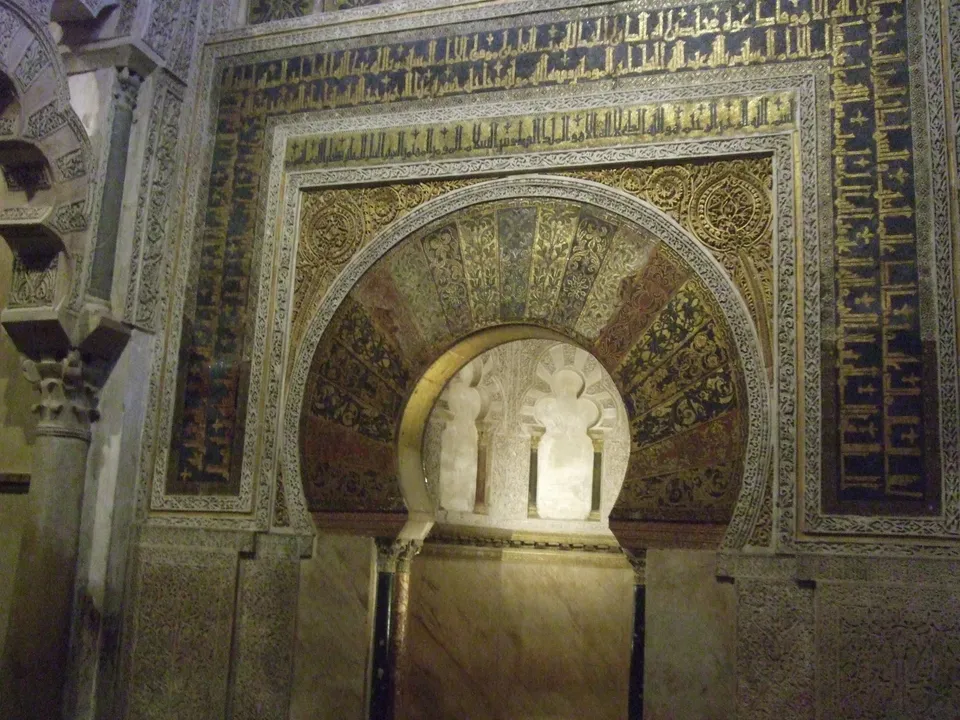
Alvaro.vinuela.carnicero · CC BY-SA 4.0 · Source
Surviving the massacre of the Umayyads in 750, Abd al-Rahman wandered across North Africa and in 756 crossed to al-Andalus, took Córdoba and became emir. He did not recognise the Abbasid caliph, and for the first time the Muslim world was split politically in two. In 785 he began the Great Mosque of Córdoba (the Mezquita).
After the Fatimids of North Africa claimed the caliphate, Abd al-Rahman III proclaimed himself caliph in 929 as well. There were now three caliphs at once — the Abbasids in Baghdad, the Fatimids in North Africa and the Umayyads in Córdoba. Tenth-century Córdoba was the largest city in western Europe, a centre of learning rich in libraries and schools, where Muslims, Christians and Jews lived side by side. After the dynasty ended in 1031, al-Andalus broke into small kingdoms (taifas), and the Christian Reconquista gathered pace.