Li Zicheng’s Rebellion, the Fall of the Ming and the Qing Conquest
Also called: Fall of the Ming, Ming–Qing transition, Battle of Shanhai Pass
In 1644 Li Zicheng’s peasant army took Beijing and the Chongzhen Emperor killed himself, ending the Ming. Soon Wu Sangui opened the Shanhai Pass, and the Qing army came in, drove Li out and made Beijing its capital.
そらみみ · CC BY-SA 4.0 · Source
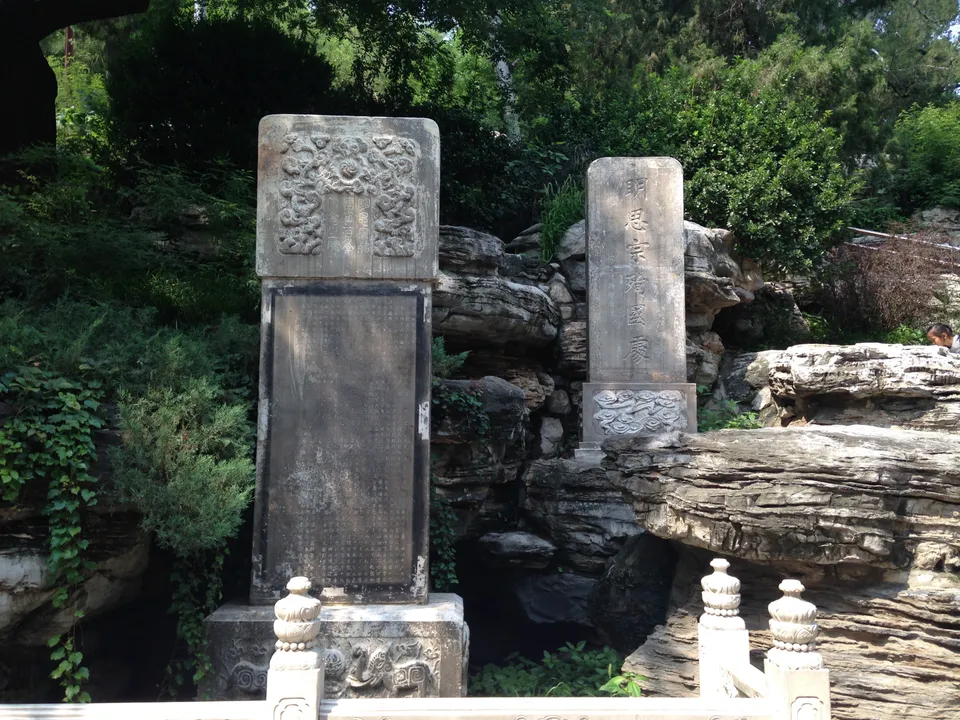
In the early seventeenth century the Ming was shaken by factional strife after the Wanli reign (the Donglin party against the eunuch Wei Zhongxian), by surtaxes such as the Liaodong levy to pay for the war with the Later Jin, and by repeated drought and famine. From the late 1620s starving peasants and soldiers rose in Shaanxi and rebellion spread; among the leaders Li Zicheng rallied followers with the slogan “equal land, no grain tax”. Having proclaimed the Shun dynasty at Xi’an in 1644, Li took Beijing that April, and the Chongzhen Emperor hanged himself on Prospect Hill (Meishan) behind the Forbidden City — the end of the Ming.
Wu Sangui, the Ming general holding the Shanhai Pass against the Qing, refused to submit to Li and turned to the Qing. The Qing army under the prince regent Dorgon joined Wu to rout Li at the Shanhai Pass and entered Beijing in June (“entering the Pass”), bringing the boy Shunzhi Emperor and moving the capital from Shenyang to Beijing. Korea’s Crown Prince Sohyeon, held hostage in Shenyang since the second Manchu invasion, followed the Qing army into Beijing and befriended Adam Schall.
The Qing kept the Ming institutions and examinations and employed Han officials, but in 1645 its queue order forced Han men to adopt the Manchu hairstyle. The Southern Ming regimes and Zheng Chenggong resisted, but with the death of the last Southern Ming emperor in 1662 and the surrender of Taiwan in 1683 Qing rule over China was secure. In Joseon the fall of the Ming gave rise to the Northern Expedition plan to avenge it and to the belief that Korea alone now carried on Chinese civilisation.