Founding of the Ottoman Empire
Also called: Rise of the Ottomans
In northwestern Anatolia, where the Sultanate of Rum had broken up under Mongol pressure, the Turkish chieftain Osman I built a state by fighting Byzantium — the beginning of an empire that lasted over six hundred years.
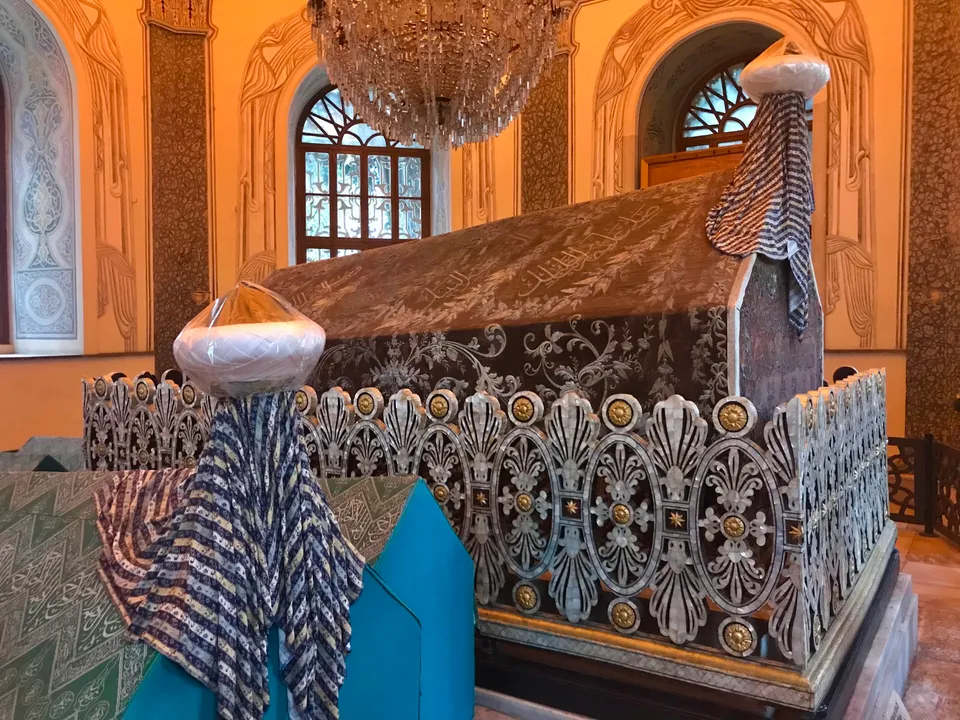
Maurice Flesier · CC BY-SA 4.0 · Source
When Mongol invasions weakened the Sultanate of Rum in the mid-13th century, Anatolia split into many small principalities (beyliks) under Turkish chiefs. One of them, Osman of Söğüt in the northwest on the Byzantine border, made himself independent around 1299 and grew strong by gathering ghazis, warriors who cast their raids on non-Muslim neighbours as holy war. The state took its name from him. The founding date is symbolic; his power is thought to have grown gradually.
His son Orhan took Bursa in 1326 and made it his capital, and around 1354 gained Gallipoli across the Dardanelles, crossing into Europe. Murad I moved the capital to Adrianople (Edirne) and defeated Serbia at Kosovo in 1389. In this period the devshirme — taking Christian boys, converting them and raising them for service — produced the janissaries, the sultan’s standing infantry. Bayezid I crushed a crusade at Nicopolis in 1396 and blockaded Constantinople.
Badly beaten by Timur at Ankara in 1402, the state faltered for a time but recovered, and in 1453 Mehmed II took Constantinople. The Ottoman Empire lasted until 1922. At the time of its founding, Goryeo was under Yuan domination.