Japan’s General Election Law
Also called: Universal Manhood Suffrage Law, General Election Law
In 1925 the Katō Takaaki cabinet abolished the tax qualification and gave the vote to all men aged 25 and over. In the same year it passed the Peace Preservation Law to suppress socialism and independence movements.
Unknown author · Public domain · Source
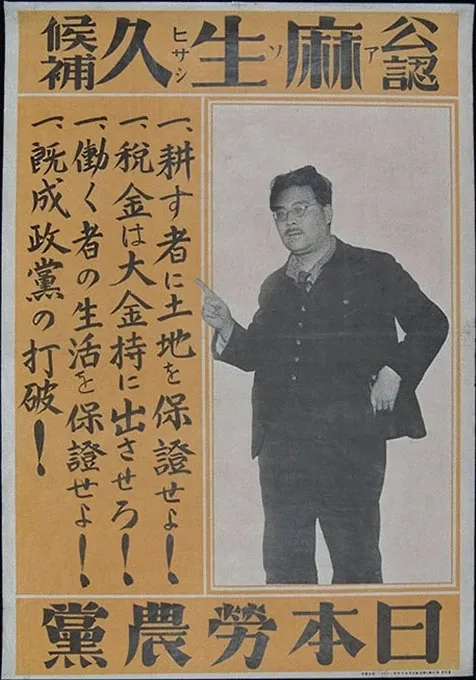
The movement for universal suffrage grew in the Taishō era, but the Hara cabinet of 1918 judged it premature and merely lowered the tax qualification. After the second constitutional movement of 1924 brought in a three-party cabinet, the Diet passed the General Election Law in March 1925 and it was promulgated in May. The electorate grew nearly fourfold, from about 3 million to just over 12 million, though women won the vote only after defeat in 1945.
Worried that workers’ and farmers’ political participation would lead to socialism, the government in April of the same year passed the Peace Preservation Law, which punished organizations aiming to change the “national polity” (kokutai) or to deny private property. The law was also applied in Korea and Taiwan and used to punish independence activists. When candidates of proletarian parties won seats in the first general election under the new law in 1928, the government raised its maximum penalty to death.