The Hebrew Kingdom and Judaism
Also called: Kingdom of Israel, Judaism, Israelites
The Hebrews settled in Palestine and built a prosperous kingdom centred on Jerusalem under David and Solomon. Their faith in the one God Yahweh, Judaism, became the root of Christianity and Islam.
Oren Rozen · CC BY-SA 4.0 · Source
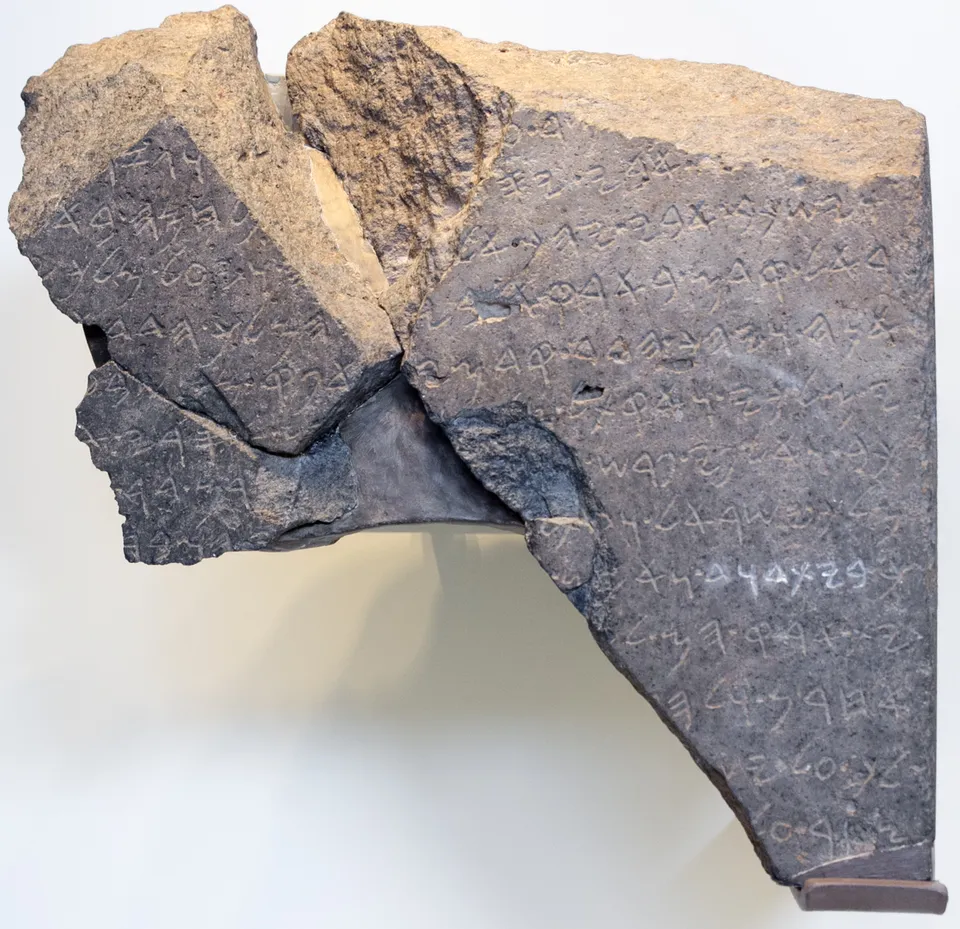
According to tradition the Hebrews (Israelites), oppressed in Egypt, followed Moses out (the Exodus) and settled in Palestine (Canaan). Around 1000 BC David made Jerusalem his capital and enlarged the kingdom, and his son Solomon grew rich on trade and built the Temple of Yahweh in Jerusalem.
After Solomon’s death the kingdom split into Israel in the north and Judah in the south. Israel fell to Assyria in 722 BC, and Judah to the Neo-Babylonian Empire around 586 BC.
Amid these hardships the Hebrews developed Judaism, the worship of the one God Yahweh. Its hallmarks are the belief that they were God’s chosen people and the hope of a coming saviour, the Messiah; its scriptures passed to Christianity as the Old Testament. Because the size and dates of David’s and Solomon’s kingdom rest mainly on the Bible, scholars disagree about them.