CultureIntercalary fifth month, 1751(Lunar)

Jeong Seon’s Inwang jesaekdo

Jeong Seon painted Mount Inwang as the mist lifts after rain — a masterpiece of “true-view” landscape painting drawn from Korea’s own scenery.
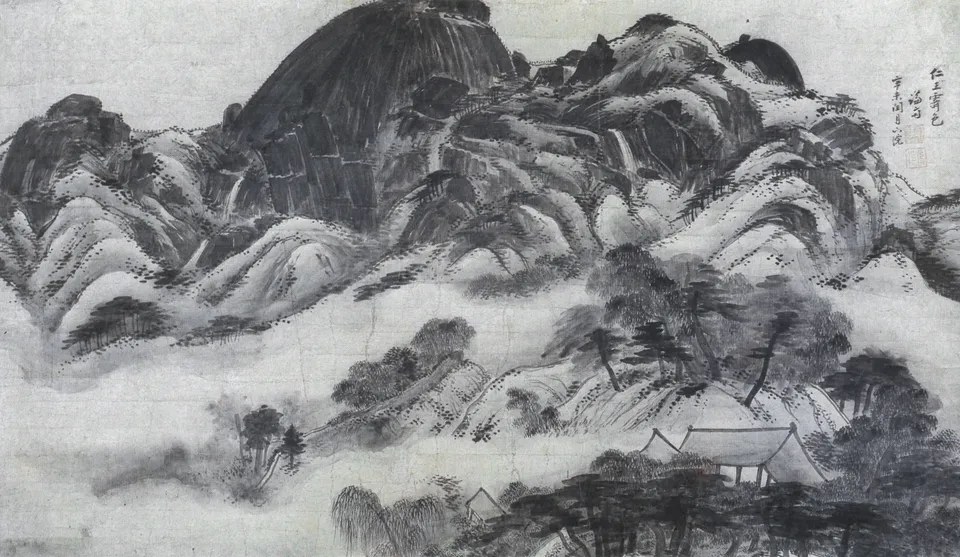
Jeong Seon, Clearing After Rain on Mount Inwang, 1751 (National Museum of Korea)

Jeong Seon · Public domain · Source

The inscription says Jeong Seon, aged seventy-six, painted it in the last days of the intercalary fifth month of 1751. Rocks swept in dark ink, pine woods and drifting mist are rendered boldly. It is a National Treasure.

Jeong Seon broke away from imaginary landscapes copied from Chinese models to paint scenery he had seen, such as the Diamond Mountains and the hills around Hanyang; Geumgang jeondo (1734) is another masterpiece. Later in the century Gang Se-hwang used Western perspective and shading in his view of Yeongtong valley.
The map in 1751

OpenFreeMap © OpenMapTiles © OpenStreetMap contributors

States and rulers at the time
Joseon — Yeongjo
Places
Inwangsan

People

  • Jeong Seon (Gyeomjae)1676 – 1759

    creator · Painter who pioneered “true-view” landscapes of Korea’s own scenery; his masterpieces include Inwang jesaekdo and Geumgang jeondo

  • Yeongjo1694 – 1776

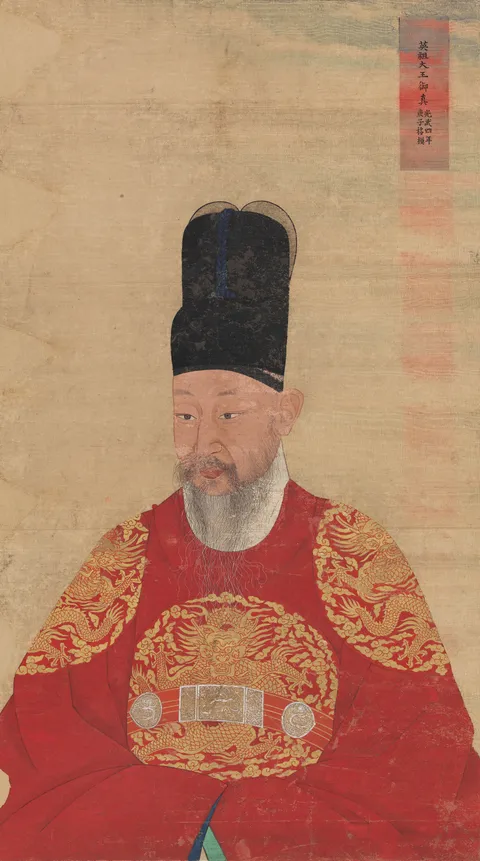
    monarch · Twenty-first king of Joseon, known for his impartiality policy and tax reform, and for the death of his son

Before and after

Earlier
1750 Pansori

Themes that include this event

  • The Course of Korean PaintingAD 450 – 1897

    From Goguryeo tomb murals to Jang Seung-eop — daily life and guardian deities, Goryeo Buddhist painting, early Joseon landscapes, true-view landscapes and genre painting, literati and folk painting