Capture of Jeonju and the Jeonju Truce
When the peasants took Jeonju, the government called in Qing troops and Japan sent its own. In return for reform and the withdrawal of both armies, the peasants made peace with the government and withdrew.
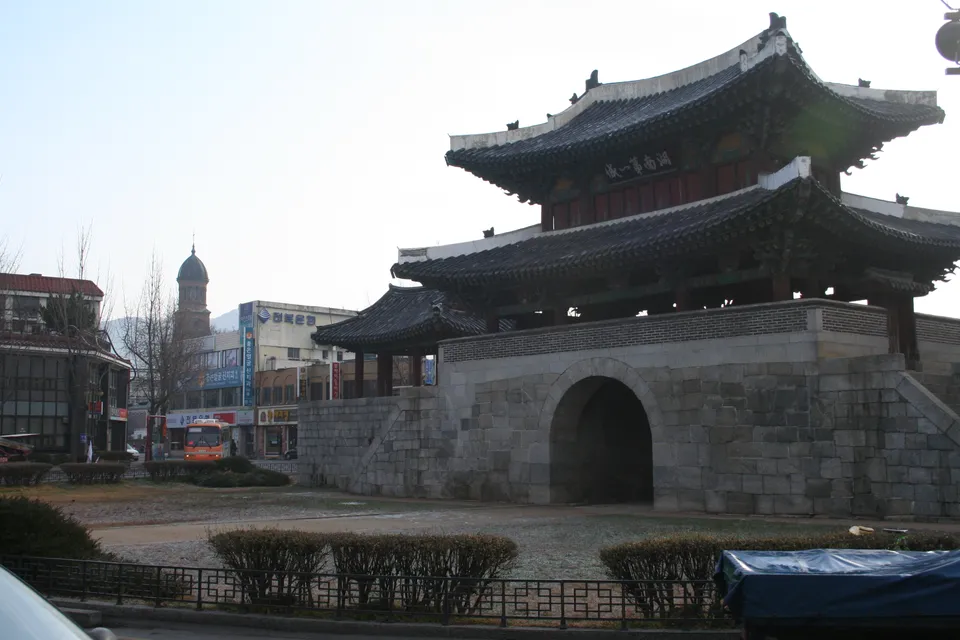
Bcody80 (English Wikipedia) · Public domain · Source
The peasant army entered Jeonju, seat of the Jeolla governor, on the 27th day of the 4th month. When Qing troops landed at Asan, Japan invoked the Tianjin convention and landed troops at Incheon. Faced with foreign armies, the peasants accepted a truce on the promise of reform.
They set up local directorates (jipgangso) in the counties of Jeolla to carry out reforms themselves, working with the governor Kim Hak-jin. The twelve-article reform programme recorded in O Ji-yeong’s Donghaksa calls for punishing corrupt officials, burning slave registers, better treatment of the lowborn, letting young widows remarry, abolishing irregular taxes, punishing collaborators with Japan and sharing land equally (some historians doubt the twelve articles, as they appear only in that book).
The government set up a reform office of its own, but Japan refused to withdraw, occupied Gyeongbokgung on the 21st day of the 6th month (23 July) and started the war with Qing.