Culture5th–6th century

Jisan-dong Tombs, Goryeong

Tombs of the kings and elite of Daegaya. Tomb No. 44 is a sacrificial burial holding dozens of people.
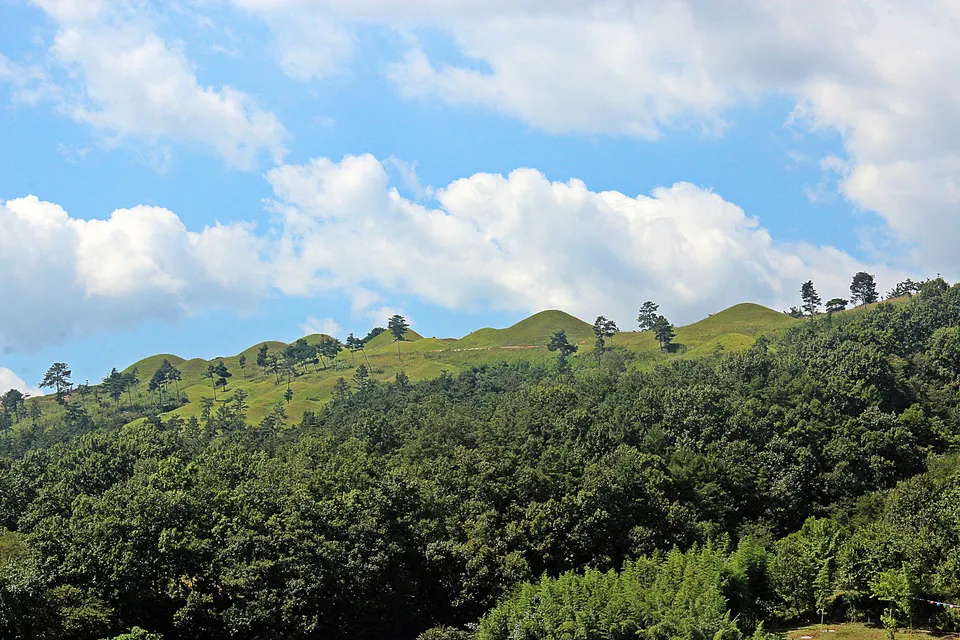
Jisan-dong tombs, Goryeong — Daegaya tombs lining the ridge of Mt. Jusan

최옥석 · CC BY-SA 4.0 · Source

Some 700 tombs, large and small, line the ridge of Mt. Jusan at Goryeong, the Daegaya capital. Most are pit-style stone-cist tombs, and they held gilt-bronze crowns, iron armour and Daegaya-style pottery.

Tomb No. 44 surrounds its owner’s chamber with some 30 small stone cists, burying dozens of retainers with him. Silla banned such burials under King Jijeung in the 6th century. In 2023 it became a UNESCO World Heritage Site with the Daeseong-dong tombs and others as the "Gaya Tumuli".

The map in AD 500

OpenFreeMap © OpenMapTiles © OpenStreetMap contributors

States at the time
Gaya
Places
Jisan-dong Tombs, Goryeong

Before and after

Themes that include this event

  • Changes in Tombs2000 BC – 1374

    From dolmens to the tomb of King Gongmin — stone-mound, stone-mound wooden-chamber, stone-chamber and brick tombs, and how burial changed by kingdom and age

  • Intangible and World Heritage2000 BC – 1850

    From the dolmens to Namhansanseong on the World Heritage List, from Jongmyo ritual music to ssireum on the Intangible Heritage lists — where each came from and when it was inscribed