| Gochang, Hwasun and Ganghwa dolmens · Bangucheon petroglyphs | Bronze Age (petroglyphs possibly late Neolithic) | Elite tombs / rock carvings of whaling and deer | World Heritage 2000 · 2025 |
|---|
| Ssireum | Goguryeo Gakjeochong mural – Kim Hong-do’s painting | Wrestling by the satba belt; a Dano game | Intangible 2018 (joint, both Koreas) |
|---|
| Gaya Tumuli | Gaya, 1st–6th c. | Seven sites incl. Jisan-dong (Goryeong) and Daeseong-dong (Gimhae); retainer burials | World Heritage 2023 |
|---|
| Goguryeo tombs | Goguryeo (Pyongyang area, Ji’an) | Murals in stone-chamber tombs (Four Guardians); inscribed by North Korea and China | World Heritage 2004 |
|---|
| Gyeongju Historic Areas | Silla | Cheomseongdae, Daereungwon, Namsan, Hwangnyongsa site, Wolseong — the thousand-year capital | World Heritage 2000 |
|---|
| Baekje Historic Areas | Baekje, Ungjin and Sabi periods | Gongsanseong and Muryeong tomb, Jeongnimsa site, Mireuksa site, etc. | World Heritage 2015 |
|---|
| Sansa, Buddhist Mountain Monasteries | Founded 7th–9th c. | Tongdosa, Buseoksa, Bongjeongsa, Beopjusa, Magoksa, Seonamsa, Daeheungsa; still living communities | World Heritage 2018 |
|---|
| Seokguram and Bulguksa | Unified Silla, from 751 | Founded by Kim Dae-seong; artificial grotto and a Buddha land on earth | World Heritage 1995 |
|---|
| Cheoyongmu | Tale of Cheoyong, King Heongang of Silla | Five Cheoyongs in the colours of the directions; court dance in the Akhak gwebeom | Intangible 2009 |
|---|
| Kaesong Historic Monuments | Goryeo | Manwoldae, Cheomseongdae, Seonggyungwan, Seonjuk Bridge, King Gongmin’s tombs; North Korea | World Heritage 2013 |
|---|
| Jongmyo Shrine | Taejo of Joseon, 1395 | Shrine for royal spirit tablets; shrine east, altar west of the palace | World Heritage 1995 |
|---|
| Changdeokgung | Taejong of Joseon, 1405 | Layout following the terrain; rear garden; main palace after the Imjin War | World Heritage 1997 |
|---|
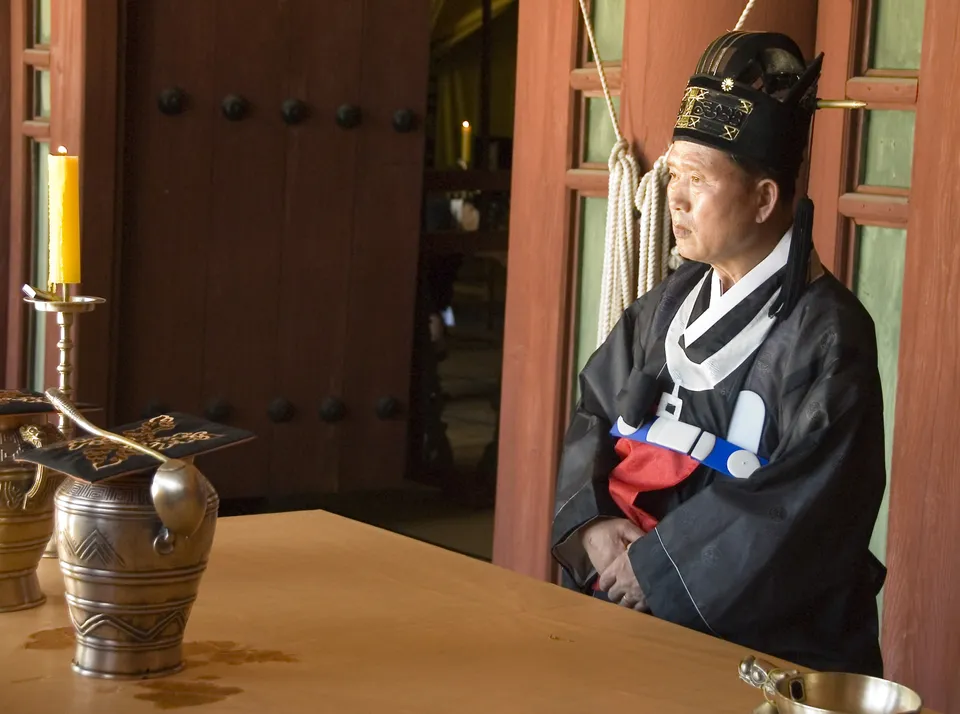
| Jongmyo rite and music | Botaepyeong and Jeongdaeeop by Sejong; adopted by Sejo, 1464 | Music, song and line dance; Intangible Property No. 1 (1964) | Intangible 2001 (first) |
|---|
| Janggyeong Panjeon, Haeinsa | Rebuilt under Seongjong, 1488 | Houses the Tripitaka Koreana; designed for airflow and humidity | World Heritage 1995 |
|---|
| Hahoe and Yangdong villages | Early Joseon (15th–16th c.) | Yangban clan villages of the Ryu / Son and Yi clans; geomantic sites | World Heritage 2010 |
|---|
| Seowon, Korean Neo-Confucian Academies | Joseon, from 1543 (Baegundong) | Nine academies incl. Sosu, Dosan, Byeongsan, Oksan; rites and teaching | World Heritage 2019 |
|---|
| Gangneung Danoje | Joseon (recorded by Heo Gyun, 1603) | Rites for the gods of Daegwallyeong; Gwanno mask drama | Intangible 2005 |
|---|
| Namhansanseong | Rebuilt under Injo, 1624 – 1626 | Injo’s 47-day stand in 1636; fortress town with a temporary palace | World Heritage 2014 |
|---|
| Talchum (mask dance drama) | Late Joseon popular culture | Satire of yangban hypocrisy and corrupt monks; Bongsan, Hahoe, etc. | Intangible 2022 |
|---|
| Pansori | Late Joseon (18th c.) | Singer and drummer; song, narration, gesture; six madang edited by Sin Jae-hyo | Intangible 2003 |
|---|
| Kimjang | Late Joseon chili kimchi (1766 record) | Making and sharing kimchi with neighbours before winter | Intangible 2013 (North Korea 2015) |
|---|
| Hwaseong Fortress, Suwon | Jeongjo of Joseon, 1794 – 1796 | Designed by Jeong Yak-yong; crane; Eastern and Western techniques | World Heritage 1997 |
|---|
| Taekkyeon | Late Joseon (Yu Suk’s Daekwaedo, 1846) | Pumbapgi footwork; kicks and sweeps | Intangible 2011 (first martial art) |
|---|
| Arirang | Spread nationwide in the 19th c. | Jeongseon, Jindo, Miryang Arirang; Na Un-gyu’s film (1926) | Intangible 2012 (North Korea 2014) |
|---|