Joseon White Porcelain
Also called: Baekja, Moon jar
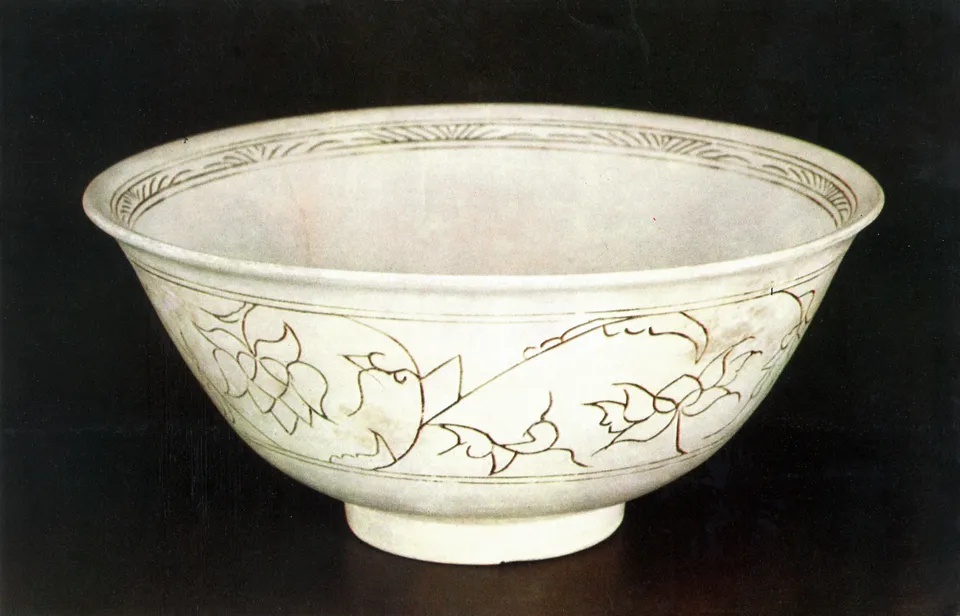
Pure white porcelain of white clay fired at high temperatures. Suited to the frugal, restrained taste of the scholar-officials, it became the core of Joseon ceramics from the 16th century.
Unknown author · Public domain · Source
White porcelain is made of white clay such as kaolin, covered with a clear glaze and fired at around 1,300°C. Its clean, sparingly decorated whiteness suited the Neo-Confucian scholar-officials, who valued frugality and restraint. From the late 15th century a branch of the Saongwon (the office for royal meals) at Gwangju, Gyeonggi, made porcelain for the court and government (official kilns).
The 15th century produced undecorated white wares and inlaid white porcelain; in the 16th century porcelain displaced buncheong. After the Imjin War came iron-painted porcelain in the 17th century and the round, generous moon jars of the 17th–18th centuries, and blue-and-white porcelain became popular from the 18th century.