ConflictJanuary 1908
Thirteen-Province Righteous Army’s March on Seoul
Some 10,000 righteous army fighters from across the country gathered at Yangju as the Thirteen-Province Army and advanced on Seoul; Heo Wi’s vanguard came within 30 li of the East Gate before being driven back.
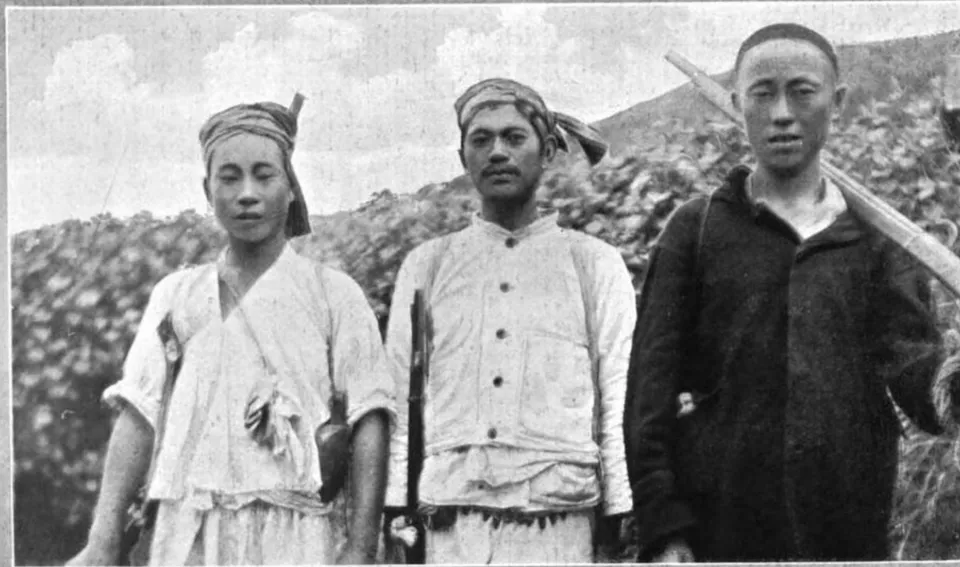
Frederick Arthur McKenzie · Public domain · Source
Yi In-yeong was commander-in-chief and Heo Wi military chief. They sent a manifesto to the foreign consulates in Seoul asking to be recognized as belligerents under international law. But the main force did not arrive in time, arms were short, and Yi In-yeong left to mourn his father, so the operation failed. Commoner leaders such as Sin Dol-seok and Hong Beom-do were left out of the command — cited as a limitation of the scholar-led leadership.