EconomyFrom February 1907

National Debt Repayment Movement

A campaign to pay off Korea’s 13 million won debt to Japan with money raised by the people began in Daegu and spread across the country.
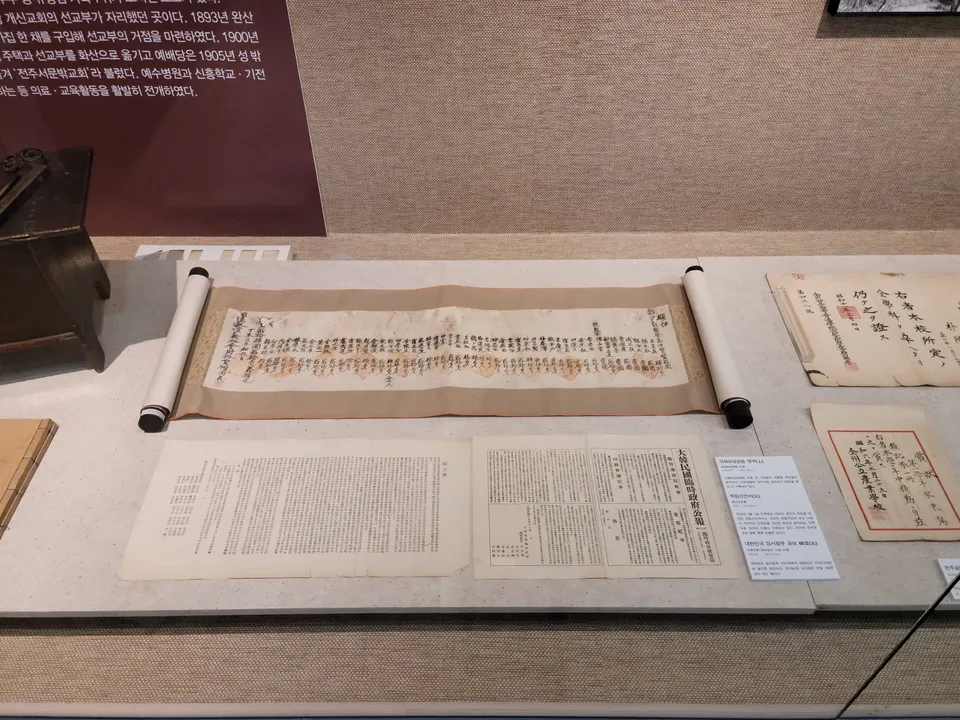
Register of contributors to the National Debt Repayment Movement

고려 · CC BY 4.0 · Source

Japan had loaded the Korean Empire with loans for currency reform and public works to bind it economically. In February 1907 Seo Sang-don, Kim Gwang-je and others in Daegu proposed repaying the debt; a national association formed in Seoul and newspapers such as the Daehan maeil sinbo, Hwangseong sinmun, Jeguk sinmun and Mansebo took up the cause. Men gave up smoking and women donated hairpins and rings.

The Residency-General obstructed the movement, arresting Yang Gi-tak of the Daehan maeil sinbo on a false charge of embezzling the funds, and it petered out within about a year. Its records were inscribed on UNESCO’s Memory of the World register in 2017.

The map in 1907

OpenFreeMap © OpenMapTiles © OpenStreetMap contributors

States and rulers at the time
Korean Empire — Gojong
Japan — Emperor Meiji
Places
Daegu

People

  • Seo Sang-don1850 – 1913

    leader · Daegu merchant who proposed the National Debt Repayment Movement with Kim Gwang-je

  • Yang Gi-tak1871 – 1938

    participant · Co-publisher of the Daehan maeil sinbo who led the National Debt Repayment Movement and the New People’s Association

  • Ernest T. Bethell1872 – 1909

    related figure · British journalist who published the Daehan maeil sinbo with Yang Gi-tak, beyond the reach of Japanese censorship as a British subject

Before and after

Earlier
1905 Eulsa Treaty

Themes that include this event

  • DaeguAD 689 – 1960

    Dalgubeol, where King Sinmun tried to move his capital — where the National Debt Repayment Movement and the 2·28 student protest began