Economy1920 – 1934

Plan to Increase Rice Production

To cover Japan’s rice shortage, Japan planned to raise rice output in Korea. More rice was shipped to Japan than the increase in production, and Korean food supplies worsened.
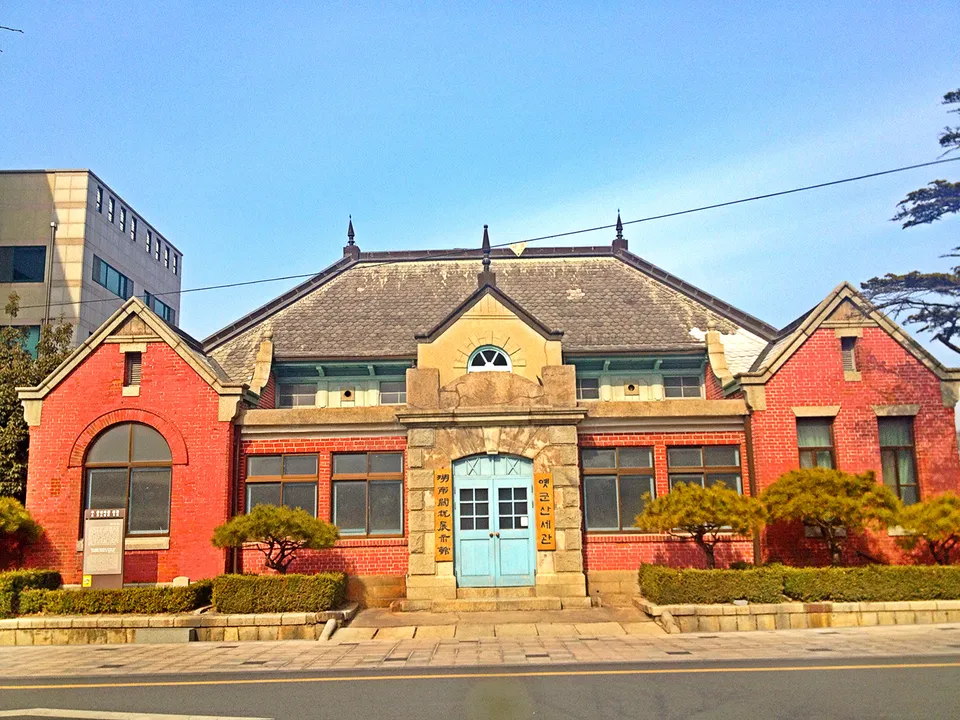
Former Gunsan Customs House at the port through which Honam rice was shipped to Japan

Flingsun · CC BY-SA 4.0 · Source

Industrialization had swelled Japan’s cities, and rice was short enough to cause the Rice Riots of 1918. From 1920 irrigation associations built reservoirs and channels, improved varieties and chemical fertilizer were pushed, and dry fields were turned into paddies.

Output rose less than planned, but shipments to Japan grew greatly; Korean rice consumption per head fell and millet and sorghum had to be imported from Manchuria. Farmers burdened with irrigation fees and fertilizer costs fell into debt, became tenants or slash-and-burn farmers, or left for Manchuria and Japan. The plan was halted in 1934 when rice prices fell in Japan.

The map in 1920

OpenFreeMap © OpenMapTiles © OpenStreetMap contributors

States and rulers at the time
Korea under Japanese rule — Governor-General Saitō Makoto
Japan · ruling power — Emperor Taishō

Before and after

Themes that include this event

  • Republican China and Imperial Japan1912 – 1949

    The age when the Republic of China, born of the 1911 Revolution, passed through warlord division, the May Fourth Movement, the United Front and the Northern Expedition, fought Japan’s invasion and split in civil war — as Japan moved from Taishō democracy through the Manchurian Incident and military coups to the war in China and the Co-Prosperity Sphere, and colonized Korea resisted through the March First Movement and armed struggle