Rowlatt Act and the Amritsar Massacre
Also called: Jallianwala Bagh Massacre, Rowlatt Acts
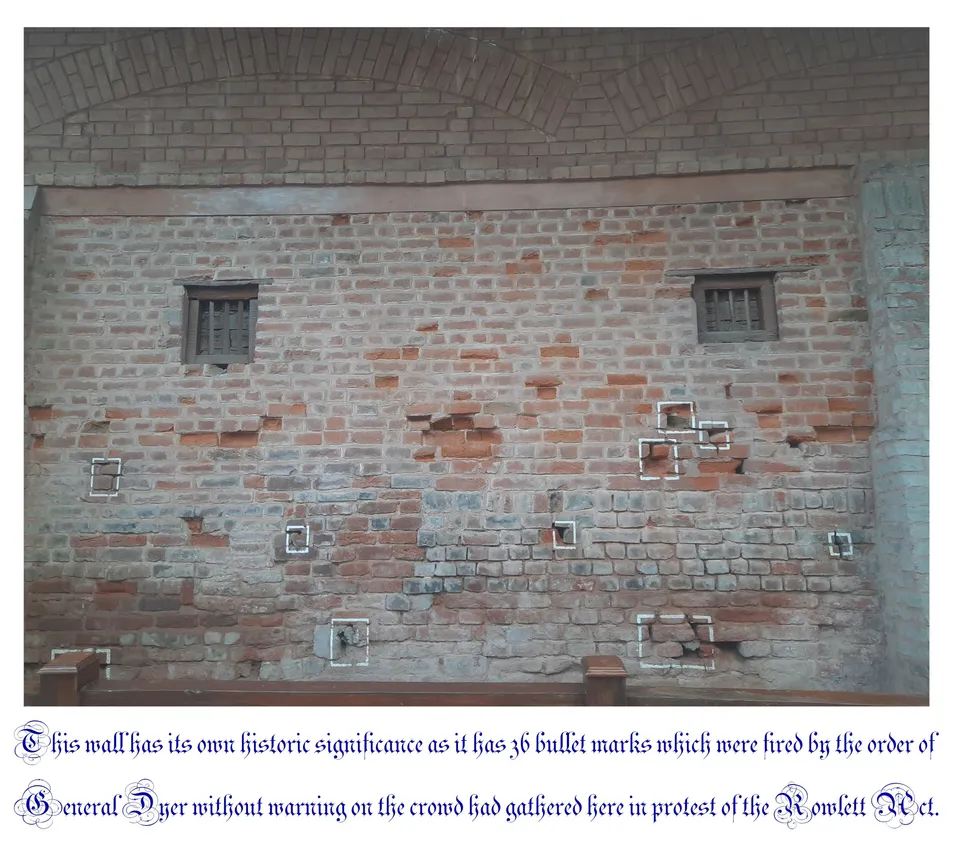
When Britain passed the Rowlatt Act allowing arrest and detention without warrant, protests broke out across India. At Jallianwala Bagh in Amritsar British troops fired on an unarmed crowd, killing hundreds.
Ahoun Xinjitsu · CC BY-SA 4.0 · Source
In the First World War India sent more than a million soldiers and large quantities of supplies to help Britain, and expected self-government afterwards. Instead, in March 1919 Britain passed the Rowlatt Act, which allowed suspects to be arrested without warrant and held without trial. Gandhi, back from South Africa, answered with a nationwide strike (hartal).
On 13 April 1919 in Amritsar, Punjab, a large crowd had gathered in the Jallianwala Bagh garden, some to protest the arrest of local leaders and others for a festival. Troops under General Dyer blocked the exit and opened fire without warning. A British inquiry put the dead at 379; Indian estimates exceeded 1,000. The poet Tagore returned the knighthood Britain had given him. The massacre turned even Indians who had cooperated with Britain against it and led the next year to Gandhi’s non-violent non-cooperation movement.