Conflict1147 – 1149

Second Crusade

After Edessa fell, Louis VII of France and Conrad III of Germany marched east, but they failed before Damascus and gained nothing.
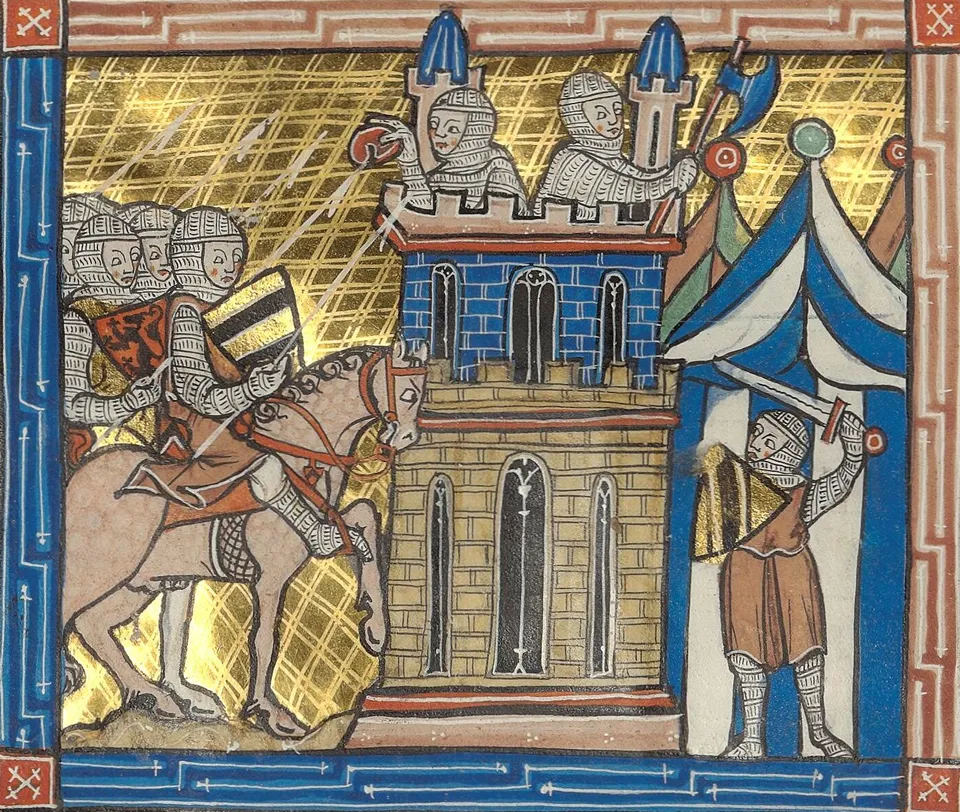
The siege of Damascus (1148) — 13th-century French manuscript miniature

Unknown author · Public domain · Source

At Pope Eugenius III’s request Bernard of Clairvaux preached the crusade, and for the first time kings led it in person. The two armies crossed Anatolia separately and suffered heavy losses to the Seljuks.

The survivors joined the Kingdom of Jerusalem to besiege Damascus in July 1148 but withdrew after four days. The failure cooled enthusiasm in the West and opened the way for Zengi’s son Nur ad-Din to unite Syria.

The map in 1147

OpenFreeMap © OpenMapTiles © OpenStreetMap contributors

States at the time
France · invader
Holy Roman Empire · invader
Kingdom of Jerusalem · allied force
Zengid dynasty · belligerent
Places
Damascus

People

  • Louis VII of France1120 – 1180

    commander · King of France (r. 1137–1180) who joined the Second Crusade with Queen Eleanor and failed before Damascus

  • Conrad III of Germany1093 – 1152

    commander · King of Germany (r. 1138–1152) who led the Second Crusade and was badly defeated by the Seljuks in Anatolia

  • Bernard of Clairvaux1090 – 1153

    related figure · Cistercian abbot whose preaching at the pope’s request drew the kings of France and Germany into the Second Crusade

Before and after

Themes that include this event

  • The Crusades1095 – 1291

    From the Council of Clermont to the fall of Acre — two centuries of war between Latin Europe and the Islamic world over the Holy Land