Spread of Seon Buddhism and Rise of the Hojok
In late Silla, Seon (meditation) Buddhism spread through the Nine Mountain Schools and geomancy became popular; regional magnates (hojok) drew on both as they rose to power.
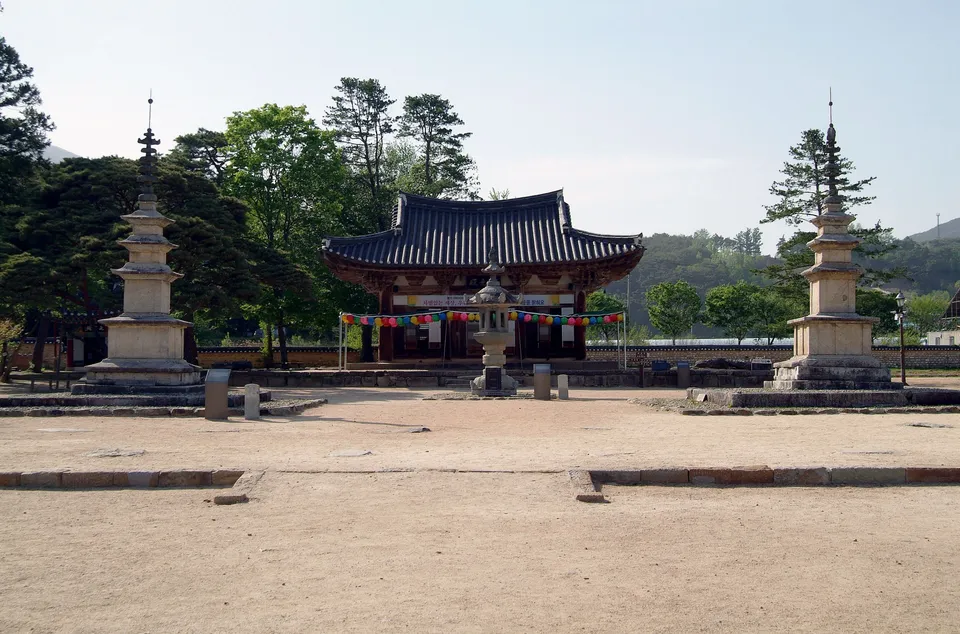
Black207 · CC BY-SA 4.0 · Source
After Doui brought Seon from Tang in 821, it spread through the Nine Mountain Schools such as Gajisan (Borimsa, Jangheung) and Silsangsan. Seon valued meditation over scripture — “not relying on words, see your own nature and become Buddha” — and its challenge to the Gyeongju-centred doctrinal schools appealed to the regional magnates and head-rank-six men. Stupas and memorial steles for Seon masters became common (e.g. the stupa of Master Cheolgam at Ssangbongsa).
The monk Doseon popularized geomancy (pungsu jiri), the belief that the energies of the land shape the fortunes of states and people. By stressing places other than Gyeongju it fed the rise of the magnates and later Goryeo’s regard for Seogyeong (Pyongyang).
The hojok — fallen aristocrats, garrison commanders, sea traders and village heads — called themselves castle lords and generals, built walls and kept armies. Head-rank-six men blocked by the bone-rank system joined them in hoping for a new order.