Politics5 April 1976

Death of Zhou Enlai and the April Fifth Tiananmen Incident

Also called: April Fifth Movement, Qingming Incident, Death of Zhou Enlai

After Premier Zhou Enlai died on 8 January 1976, wreaths and poems piled up at the Monument to the People’s Heroes in Tiananmen Square at the Qingming festival on 4–5 April. When the authorities removed the wreaths crowds protested, and on the night of the 5th militia and police cleared the square. The incident was declared “counter-revolutionary” and Deng Xiaoping was purged again.
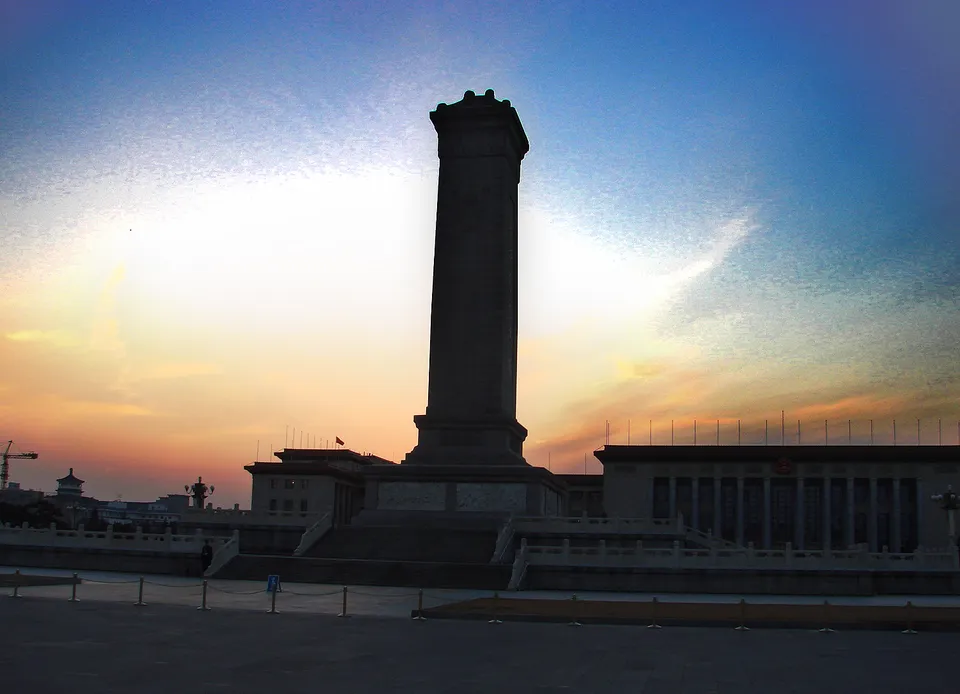
The Monument to the People’s Heroes in Tiananmen Square, where wreaths and poems for Zhou Enlai piled up in April 1976

Henrik søvang · CC BY 3.0 · Source

Zhou Enlai, who as premier had kept the government running through the turmoil of the Cultural Revolution, died of cancer on 8 January 1976. Resentment built up at moves by the Gang of Four’s camp to limit mourning, and from late March Beijing residents laid wreaths at the Monument to the People’s Heroes and posted poems honouring Zhou and obliquely attacking Jiang Qing and her allies. Similar mourning took place in Nanjing and other cities.

When the authorities removed all the wreaths on the night of 4 April, huge crowds gathered in protest on the 5th, and vehicles and part of a building were set on fire. That night militia and police drove out with clubs and detained those still in the square. The Politburo declared it a “counter-revolutionary incident”, on 7 April stripped Deng Xiaoping, named as its instigator, of all his posts, and made Hua Guofeng First Vice Chairman of the party and Premier. The numbers injured and arrested are not reliably known.

After Mao’s death and the arrest of the Gang of Four, the party re-evaluated the incident in November 1978 as “a thoroughly revolutionary action”.

The map in 1976

OpenFreeMap © OpenMapTiles © OpenStreetMap contributors

States and rulers at the time
People's Republic of China — Paramount leader Mao Zedong
Places
Tiananmen Square

People

  • Zhou Enlai1898 – 1976

    related figure · First premier of the People’s Republic of China (1949–1976), long in charge of diplomacy, who arranged Nixon’s 1972 visit

  • Deng Xiaoping1904 – 1997

    related figure · General Secretary of the Communist Party (1956–1966), twice purged during the Cultural Revolution, and from 1978 China’s paramount leader who launched “reform and opening up”

  • Hua Guofeng1921 – 2008

    related figure · Mao’s chosen successor, who became premier and party chairman in 1976 and had the Gang of Four arrested, but was eased out by Deng Xiaoping after 1978

  • Jiang Qing1914 – 1991

    related figure · Wife of Mao Zedong, a former Shanghai actress who married him in Yan’an, led the Central Cultural Revolution Group and was arrested in 1976 as one of the “Gang of Four”

Before and after

Earlier
1971 Lin Biao Incident

Themes that include this event

  • From the Chinese Civil War to the Cultural Revolution1927 – 1976

    From the collapse of the United Front in 1927, through rural bases, the Long March and Yan’an, to the Communists’ victory in the civil war and the founding of the People’s Republic — then land reform, the Great Leap Forward and famine, the Sino-Soviet split and the Cultural Revolution, up to Mao’s death and the arrest of the Gang of Four in 1976, while the Nationalist government withdrew to Taiwan