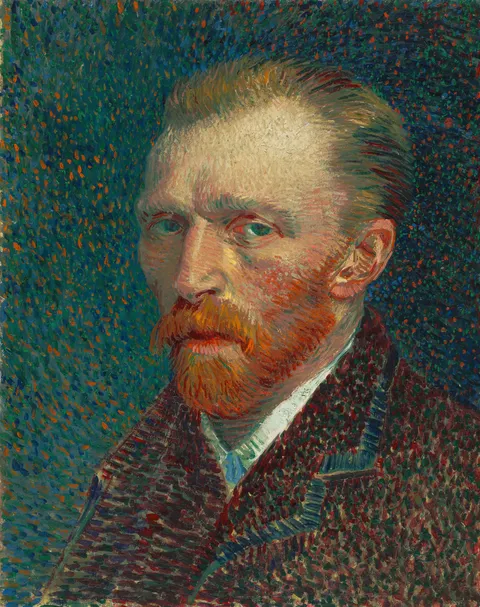
The Last Days at Auvers and Van Gogh’s Death
Having painted more than seventy works in his last seventy days at Auvers-sur-Oise near Paris, Van Gogh died in July 1890, aged 37 — he had sold only a handful of paintings in his lifetime.
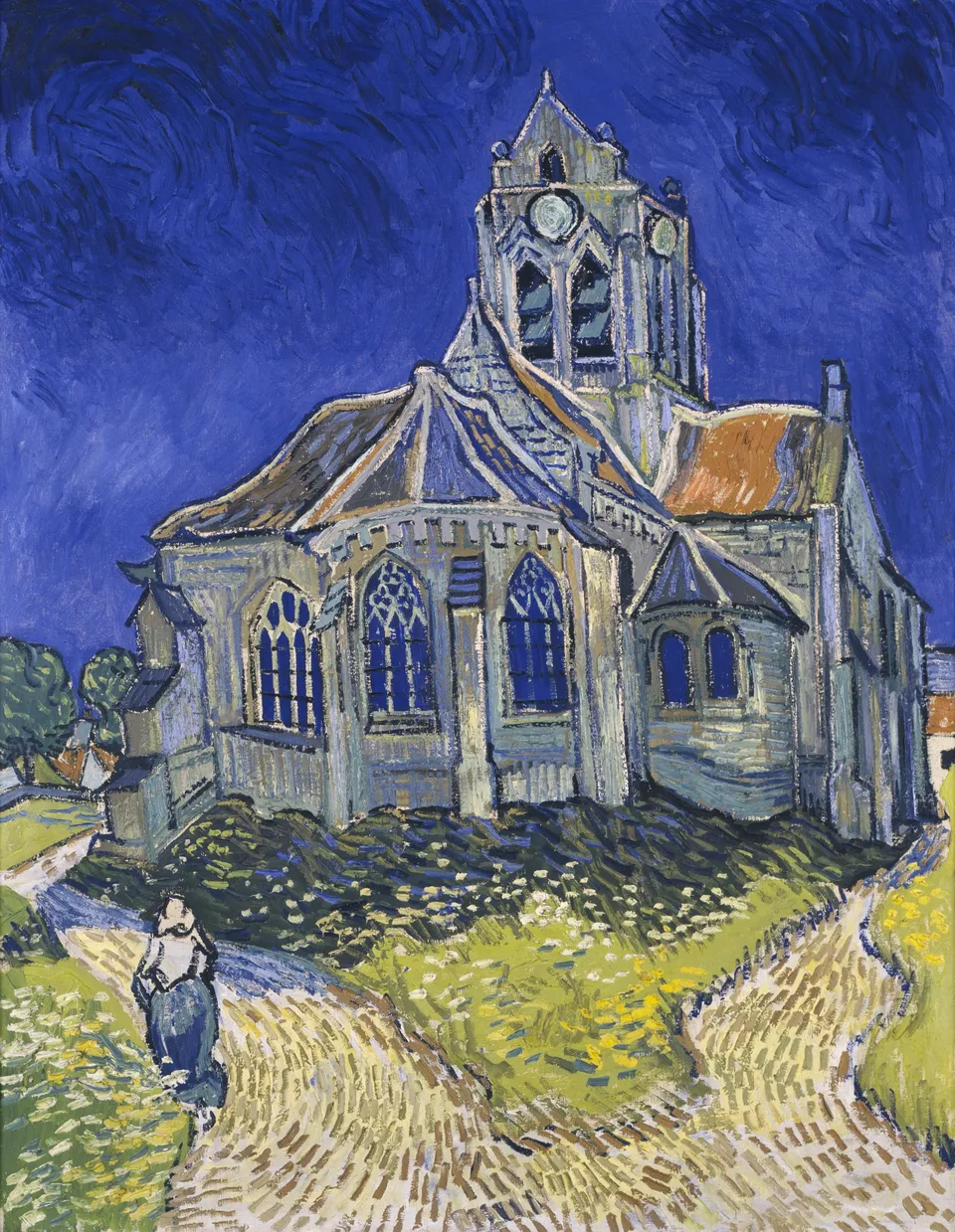
Vincent van Gogh · Public domain · Source
In May 1890 Van Gogh left the asylum for Auvers-sur-Oise, a village north-west of Paris, where Dr Gachet looked after him; he painted nearly a picture a day — wheatfields, thatched cottages, the village church.
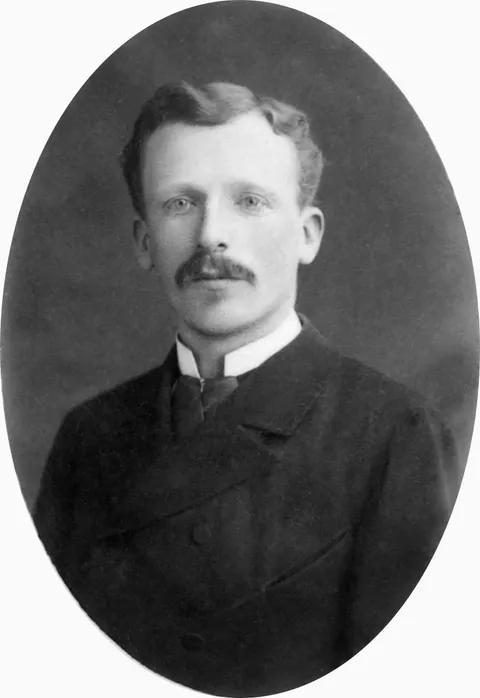
On 27 July he came back with a gunshot wound, and two days later, on the 29th, he died at 37 with Theo, who had rushed to his side. That he took his own life is the accepted view, though there are others. He had sold only a handful of paintings in his life, but Theo — who died six months later — left a widow, Jo van Gogh-Bonger, who safeguarded the paintings and letters and made them known. The nearly 900 letters he left are a precious record of a painter’s thoughts.