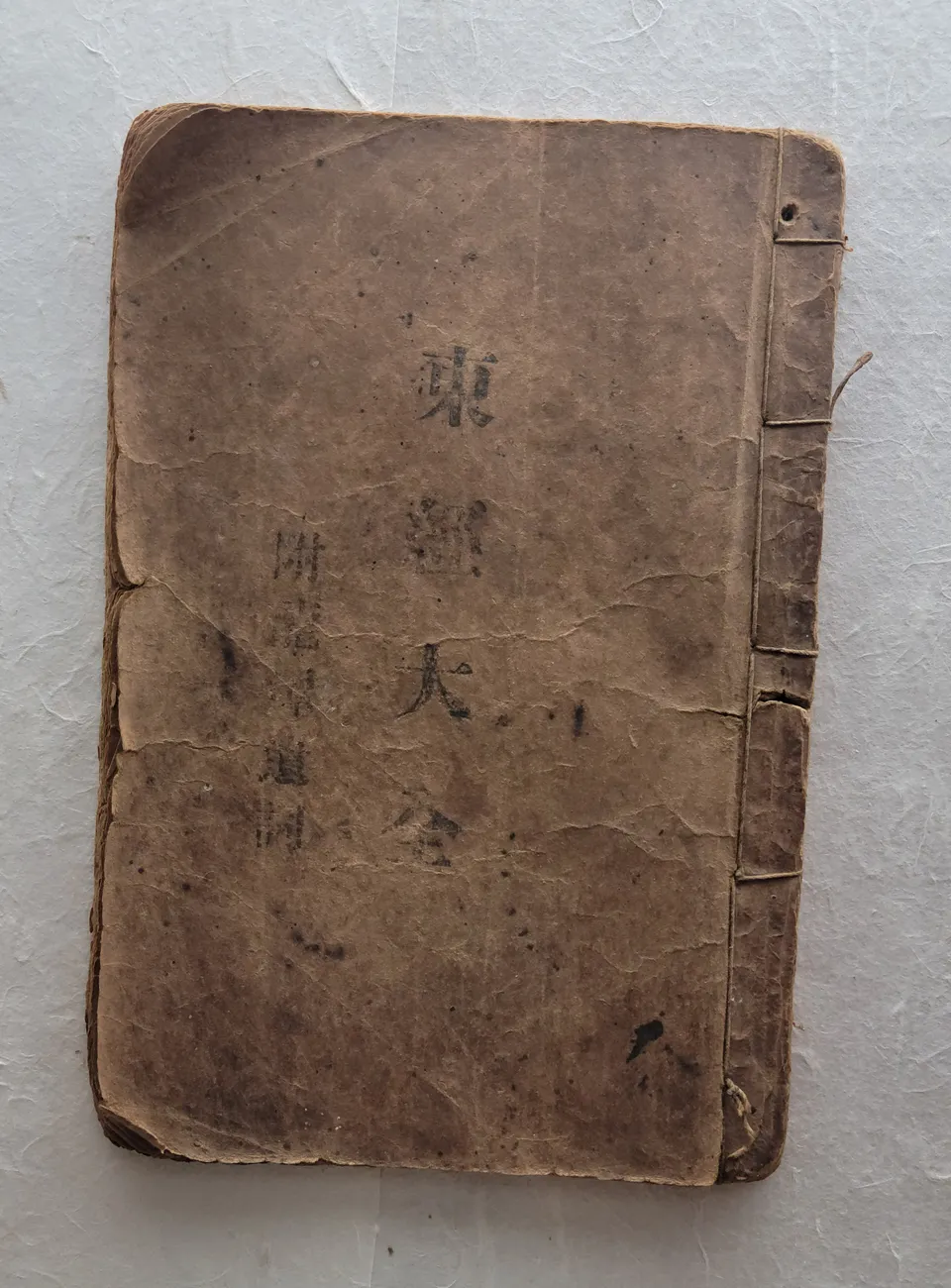
Donggyeong daejeon, the Donghak scripture written by Choe Je-u, 1907 edition

고려 · CC BY 4.0 · Source

Person1824 – 1864

Choe Je-u

Founder of Donghak at Yongdamjeong in Gyeongju; executed in Daegu

From an impoverished yangban family, in 1860 he founded Donghak ("Eastern Learning"), blending Confucianism, Buddhism, Daoism and folk belief, and named it in opposition to Western Learning (Catholicism). Preaching that each person bears the Lord of Heaven within (sicheonju), "protect the nation and secure the people," and a coming new world, it spread among farmers in the three southern provinces. The scripture Donggyeong daejeon and the songs of Yongdam yusa were published by his successor Choe Si-hyeong. He was executed at Daegu in 1864, and a movement later arose to clear his name.

Where they went

OpenFreeMap © OpenMapTiles © OpenStreetMap contributors

2 related events

  1. 1

    Choe Je-u founded Donghak (“Eastern Learning”) at Yongdamjeong near Gyeongju; its teaching that every person embodies heaven spread fast among peasants.

  2. 2

    Donghak followers held rallies at Gongju and Samnye, petitioned at the palace gate and gathered at Boeun to clear the name of their executed founder Choe Je-u and win recognition for Donghak. At Boeun they raised the banner "Repel the Japanese and Westerners, raise righteousness".

People who appear alongside

  • Choe Si-hyeong1827 – 1898

    Second leader of Donghak who organized its scriptures and, in the second uprising of 1894, joined the Northern Assembly to the Southern

  • Son Byong-hi1861 – 1922

    Third leader of Donghak and founder of Cheondogyo; head of the 33 national representatives of 1919

Themes this person appears in

  • GongjuAD 475 – 1894

    From Ungjin, Baekje’s second capital, to Ugeumchi — the town on the Geum River that became the heart of Chungcheong

  • Gyeongju57 BC – 1860

    Silla’s capital for a thousand years — tombs, pagodas, temples and bells from every age of Silla, and the birthplace of Donghak