Athenian Democracy: the Reforms of Solon and Cleisthenes
In an Athens torn between nobles and commoners, Solon graded political rights by wealth; after a period of tyranny, Cleisthenes reorganised the tribes and introduced ostracism, laying the groundwork of democracy.
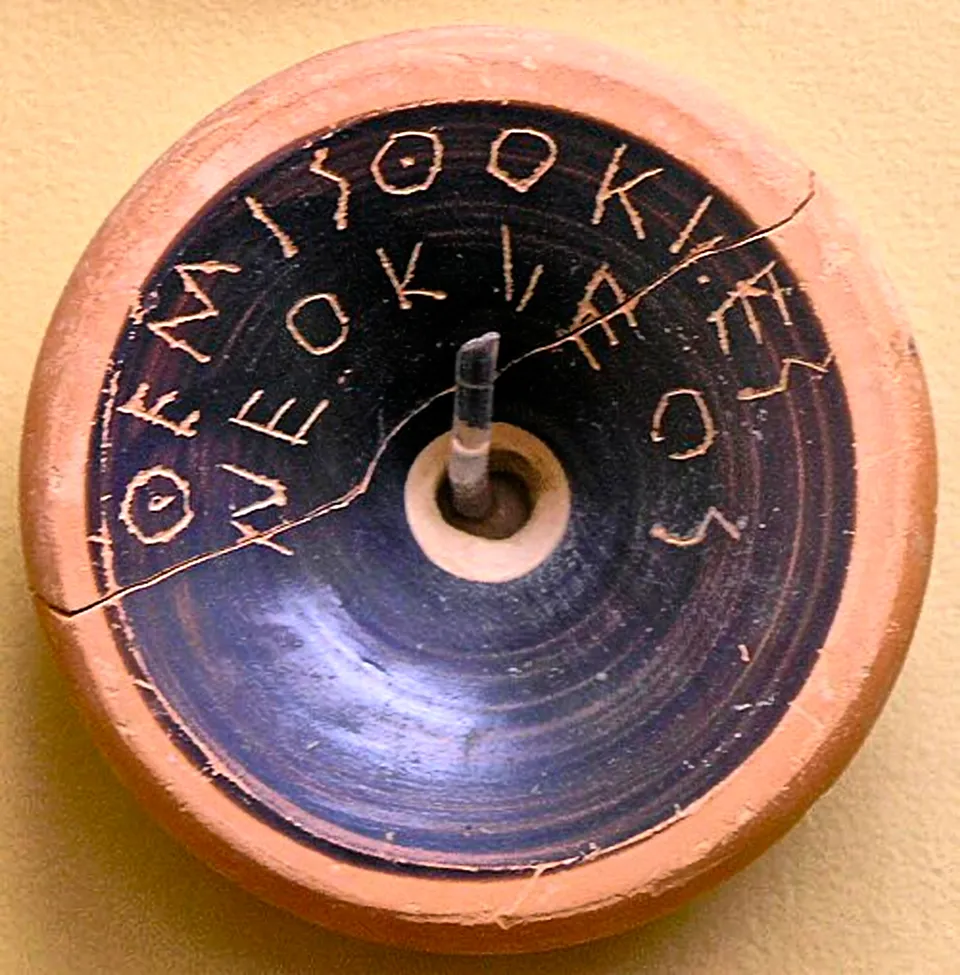
Athens was at first ruled by aristocrats. But as commoners grew rich through trade and crafts and armed themselves to fight as hoplites, they demanded a share in politics, while more and more farmers fell into slavery for debt.
Solon, archon in 594 BC, cancelled debts, banned enslavement for debt and divided the citizens into four classes by wealth, each with its own political rights (timocracy). There followed the tyranny of Peisistratus, who seized power with popular backing. After the tyrants were expelled, Cleisthenes around 508 BC replaced the four kinship-based tribes with ten territorial ones, undermining the nobles’ power base, and created the Council of Five Hundred. He is also credited with ostracism, in which citizens wrote a name on a potsherd (ostrakon) to exile a would-be tyrant for ten years.
These reforms laid the foundations of Athenian democracy. Political rights, however, belonged only to adult male citizens; women, foreigners and slaves were excluded. The democracy reached its full form under Pericles after the Persian Wars.