Culture780 and 792

Tombs of Princesses Jeonghye and Jeonghyo of Balhae

Tombs of King Mun’s daughters Jeonghye (buried 780) and Jeonghyo (buried 792), which show Goguryeo and Tang culture side by side.
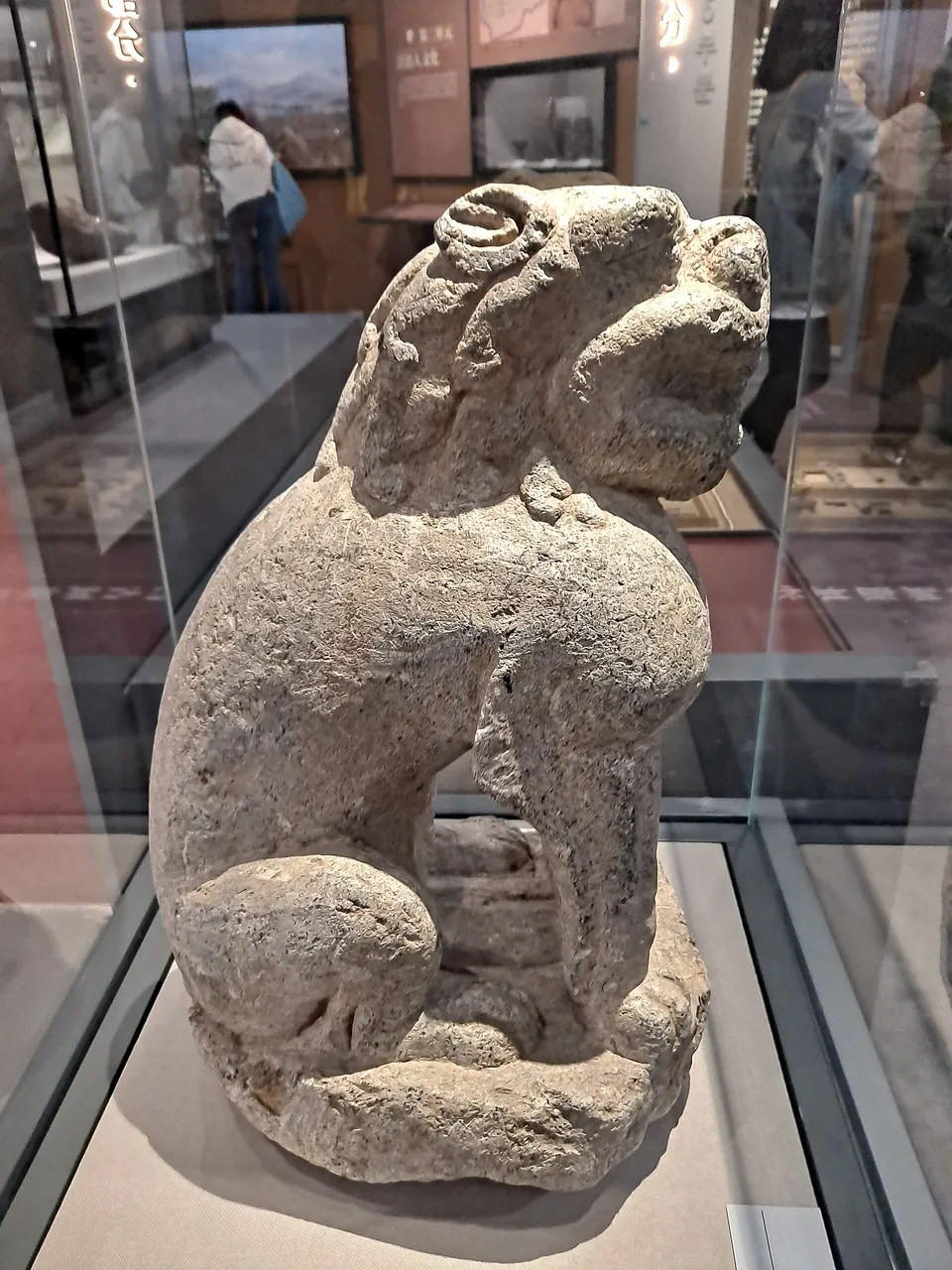
Stone lion from the Liudingshan tombs at Dunhua, where Princess Jeonghye was buried

H2v5o68z · CC0 · Source

Princess Jeonghye’s tomb at Liudingshan, Dunhua, is a Goguryeo-style stone-chamber tomb with a corbelled "lantern" ceiling, and yielded stone lions. Princess Jeonghyo’s tomb at Longtoushan, Helong, is a Tang-influenced brick tomb topped by a pagoda, with murals of twelve attendants and musicians. Both epitaphs call King Mun "His Majesty the Emperor".

Balhae culture built on Goguryeo foundations while absorbing Tang influence, as seen in the Goguryeo-style seated pair of Buddhas (Lotus Sutra devotion), the stone lantern of Sanggyeong, ondol heating, lotus-pattern roof tiles and ridge-end ornaments.

The map in AD 780

OpenFreeMap © OpenMapTiles © OpenStreetMap contributors

States and rulers at the time

People

  • Princess JeonghyeAD 737 – AD 777

    related figure · King Mun's second daughter, buried in a stone-chamber tomb in the Liudingshan cemetery

  • Princess JeonghyoAD 757 – AD 792

    related figure · King Mun's fourth daughter, buried in a brick tomb with figure murals in the Longtoushan cemetery

  • King Mun (Dae Heum-mu)AD 793

    monarch · Balhae's third king, who used the era name Daeheung, made peace with Tang, set up the Three Departments and Six Ministries, moved the capital to Sanggyeong and opened the Silla Road

Before and after

Earlier
AD 780 The Two-Tax System

Themes that include this event

  • Changes in Tombs2000 BC – 1374

    From dolmens to the tomb of King Gongmin — stone-mound, stone-mound wooden-chamber, stone-chamber and brick tombs, and how burial changed by kingdom and age