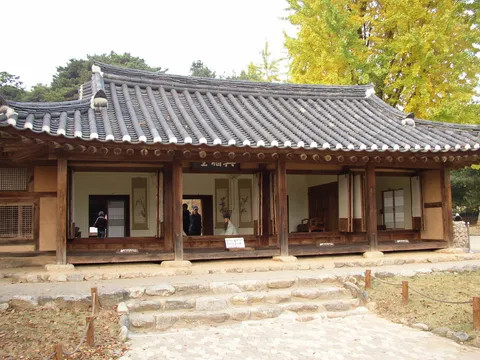
Yu Hyeong-won’s Bangye surok
At Ubandong in Buan, Yu Hyeong-won completed Bangye surok, proposing to distribute land by social status — the start of the agrarian school of Silhak.
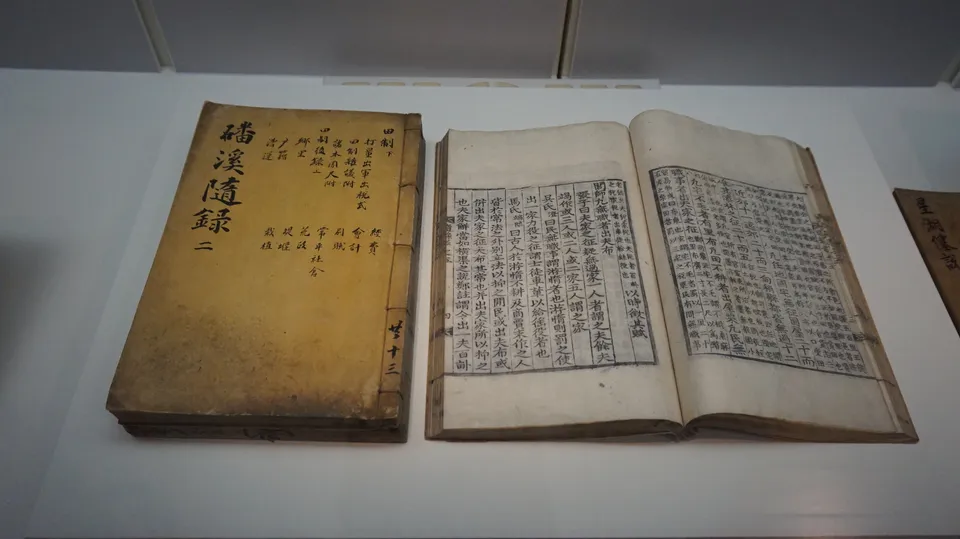
Jocelyndurrey · CC BY-SA 4.0 · Source
From the late seventeenth century, Silhak (“practical learning”) scholars criticized abstract Neo-Confucian debate and sought solutions to real problems. The agrarian school aimed to reform land tenure and strengthen independent farmers.
Yu Hyeong-won proposed allotting land to officials, scholars and farmers in amounts graded by status. In Seongho saseol, Yi Ik proposed an inalienable minimum holding per household and named six “vermin” eating away the state: slavery, the examination system, yangban pedigree, luxury and superstition, monks, and idleness. Jeong Yak-yong proposed village-based collective farming with shares by labour (yeojeon-ron).