Battle of Karbala and the Sunni–Shia Split
Also called: Sunni–Shia split, Ashura
Husayn, son of Ali, who resisted Umayyad succession, was killed at Karbala by the army of Caliph Yazid. The event set the Shia firmly apart as a distinct branch of Islam.
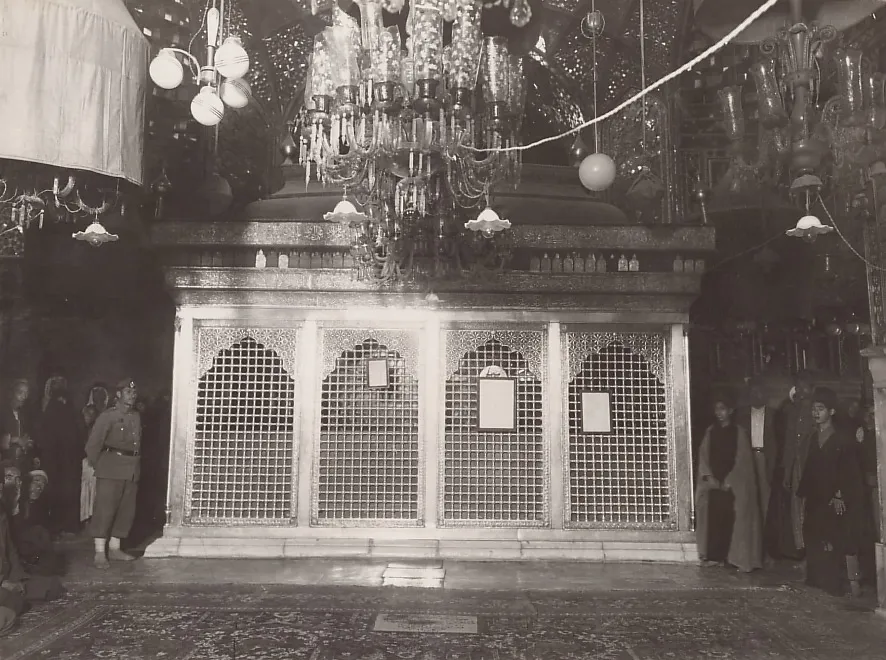
قسم الإعلام في العتبة الحسينية المقدسة شعبة الإنترنت - وحدة البرمجة والتصميم · Public domain · Source
When Muawiya died in 680 and his son Yazid became caliph, Husayn — Ali’s son and Muhammad’s grandson — refused to accept him. Answering a call from the people of Kufa, he set out with his family and followers but was surrounded by Umayyad troops at Karbala on the Euphrates and killed with some seventy companions on the 10th of Muharram (10 October 680).
The tragedy divided the Muslim community. The Shia honour Ali and his descendants alone as rightful leaders (imams) and mourn Husayn as a martyr every year on that day (Ashura). Sunnis stress the consensus of the community following the Qur’an and the Prophet’s practice (sunna) and accept the historical caliphs. Most Muslims today are Sunni; the Shia are concentrated in Iran, southern Iraq and elsewhere.