Founding of the Benedictine Order
Also called: Rule of Saint Benedict
Around 529 Benedict founded a monastery at Monte Cassino in Italy and wrote a rule stressing poverty, chastity, obedience and work, which became the model for Western monasticism.
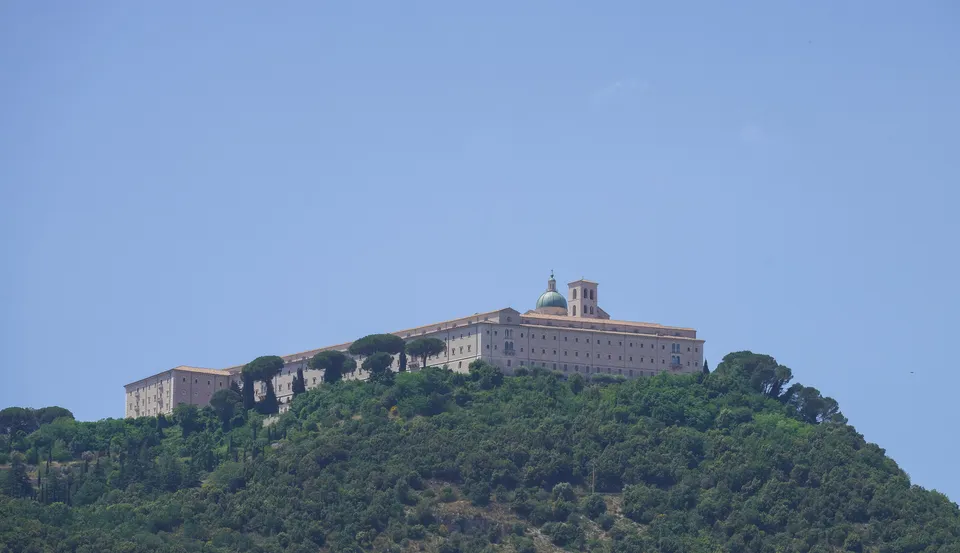
ThePhotografer · CC BY-SA 4.0 · Source
Monastic life — keeping the faith through prayer and self-denial apart from the world — began in Egypt and Syria. Around 529 Benedict founded a monastery at Monte Cassino, south of Rome, and wrote a rule of life for its monks (the Rule of Saint Benedict). Monks vowed poverty, chastity and obedience and divided the day between prayer at fixed hours, manual work and reading of Scripture. The phrase “pray and work” (ora et labora) sums up its spirit.
The Rule became the standard for Western monasteries. Monasteries cleared waste land and spread farming techniques, copied and preserved classical texts and ran schools, becoming centres of medieval learning and education. Monks also led missions to the Germanic peoples. At about the same time Silla recognised Buddhism after the martyrdom of Ichadon (527).