1936 Berlin Olympics
Also called: Games of the XI Olympiad, Berlin 1936, Nazi Olympics
Games that Nazi Germany turned into a showcase for its regime. The first torch relay was held. The American Jesse Owens won four gold medals, and Sohn Kee-chung won the marathon for Japan.
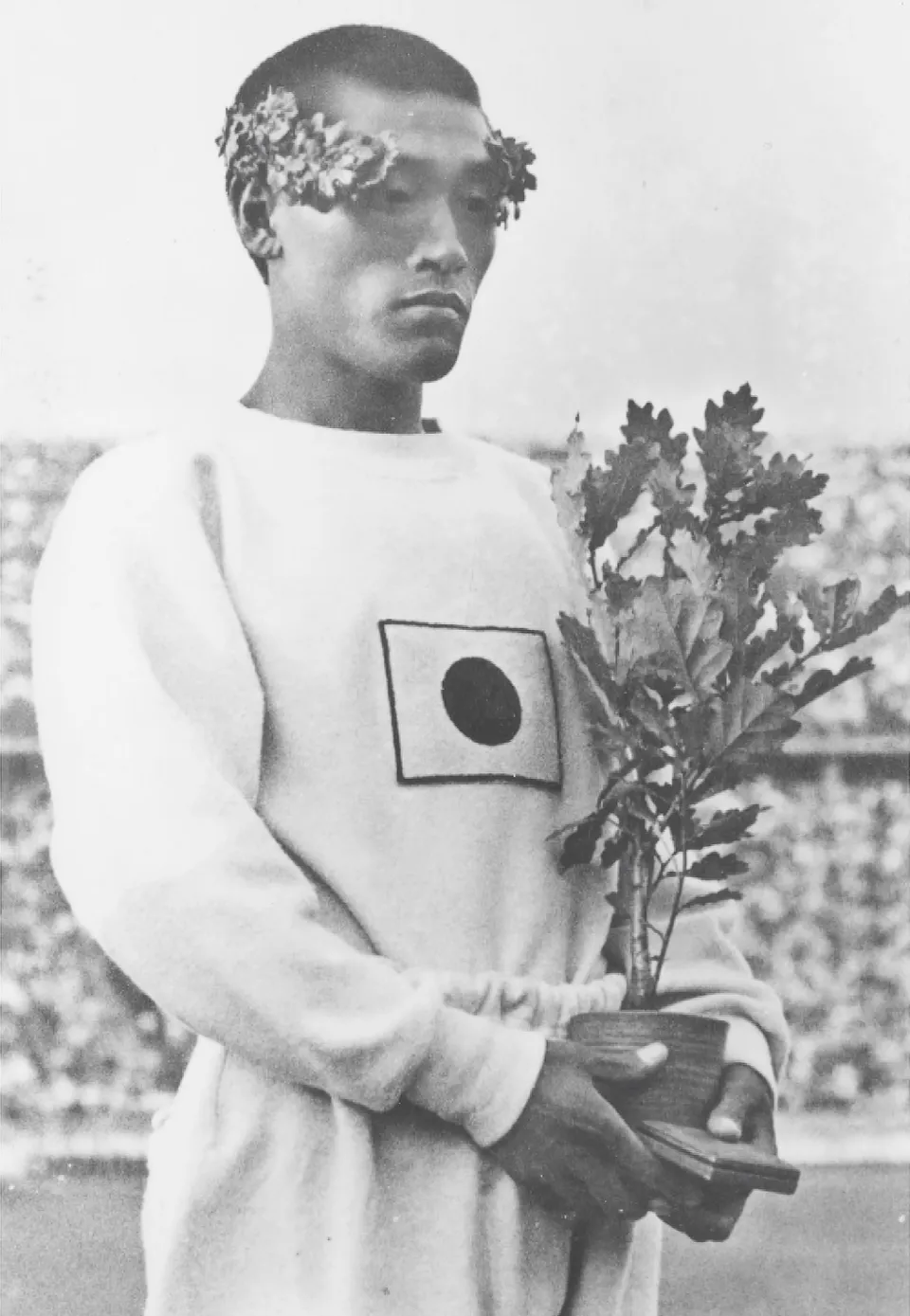
Japanese / German press at the 1936 Summer Olympics in Berlin · Public domain · Source
The IOC chose Berlin, then capital of the Weimar Republic, in 1931, but after Hitler came to power in 1933 the Games became a showcase for the Nazi regime. Calls for a boycott over the persecution of Jews were heard in the United States and elsewhere, yet in the end some 3,900 athletes from 49 nations took part. Hitler opened the Games on 1 August in the new 100,000-seat Olympic Stadium. The first torch relay carried a flame lit at Olympia through Greece, Bulgaria, Yugoslavia, Hungary, Austria and Czechoslovakia to Berlin, and the Games were televised for the first time. Leni Riefenstahl recorded them in her documentary Olympia.
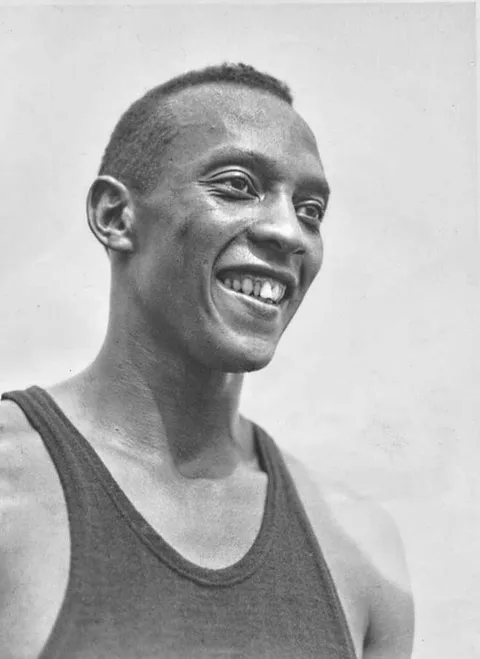
The African American Jesse Owens swept the 100 m, 200 m, long jump and 4 × 100 m relay, making a mockery of Nazi propaganda about “Aryan superiority”. His friendship with the German long jumper Luz Long also became famous. Host Germany topped the gold medal table.
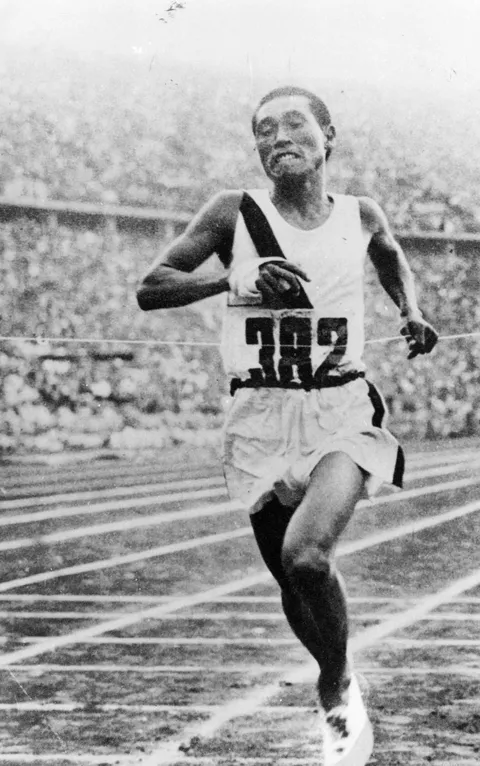
In the marathon on 9 August the Korean Sohn Kee-chung won in an Olympic record of 2:29:19.2, with his compatriot Nam Sung-yong third. But both had to run for Japan with the Japanese flag on their chests, and they bowed their heads on the podium. In Korea the news led to the Japanese flag erasure incident.