Cluny and the Church Reform Movement
Also called: Cluniac Reforms
Founded in Burgundy in 910, the abbey of Cluny, free from lay control, led a movement of church reform against simony and clerical marriage.
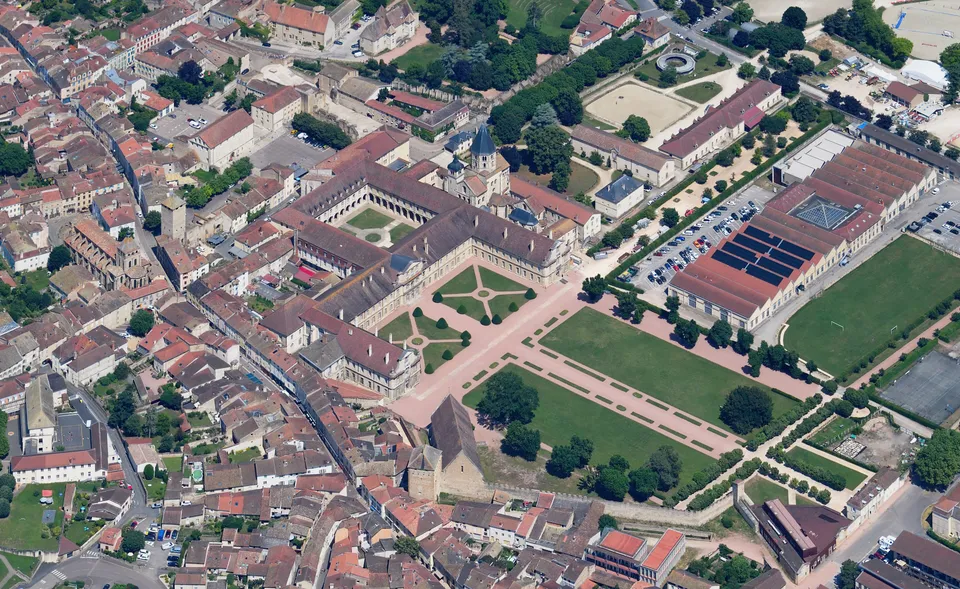
Carsten Steger · CC BY-SA 4.0 · Source
In feudal society churches and monasteries were also great landowners, so lay lords commonly appointed clergy, church offices were bought and sold (simony), and many priests married. The abbey of Cluny, founded in 910 by Duke William of Aquitaine, was placed directly under the pope, free from interference by lords, and kept the Rule of Saint Benedict strictly.
Cluny headed a network of daughter houses across Europe and condemned simony and clerical marriage, and its reforming spirit led on to the church reforms of Pope Gregory VII and the Investiture Controversy in the 11th century. At the same time the Korean peninsula was in the Later Three Kingdoms period, with Later Baekje and Later Goguryeo facing each other.