First Sightings of Antarctica
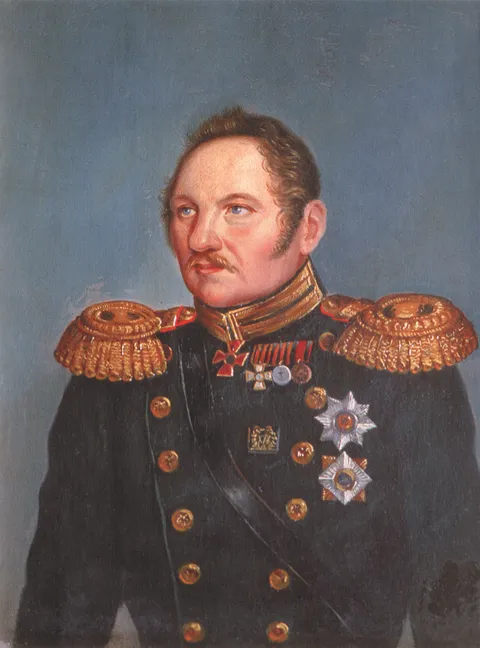
In January 1820 the Russian Bellingshausen and the Briton Bransfield, days apart, sighted the icy coast and land of the Antarctic continent. Who was first is still told differently from country to country.
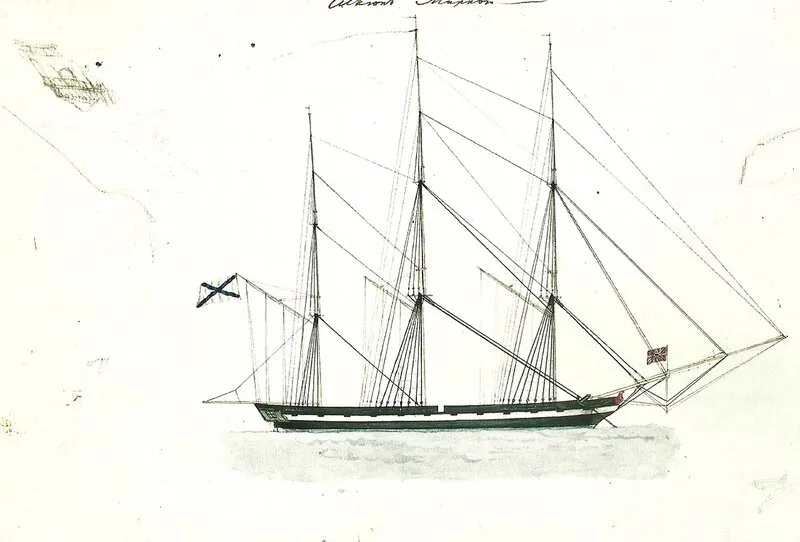
Pavel Mikhailov · Public domain · Source
On 28 January 1820 (16 January in the old Russian calendar) the Vostok and Mirny, commanded by Bellingshausen and Lazarev of the Russian navy, saw an endless coast of ice off what is now the Fimbul Ice Shelf. Two days later, on 30 January, the Briton Edward Bransfield sighted and charted the Trinity Peninsula at the tip of the Antarctic Peninsula, and in November that year the American sealer Nathaniel Palmer saw the peninsula’s coast.
Which of the three first saw the continent is told differently in different countries. Accounts of the first landing differ too, between sealers in 1821 and the crew of a Norwegian whaler in 1895.