ConflictJanuary 926(Lunar)

Fall of Balhae

The Khitan ruler Yelü Abaoji invaded Balhae and besieged its capital Hol-han-seong (Sanggyeong); the last king, Dae In-seon, surrendered.
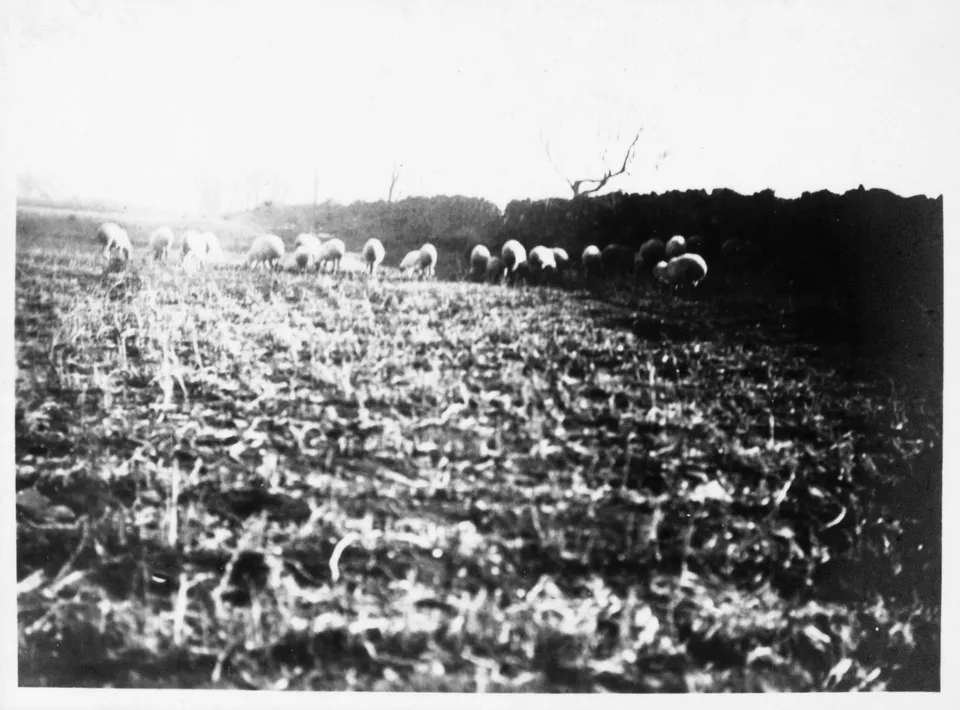
Walls of Balhae’s capital Sanggyeong (Holhanseong), taken by the Khitans in 926 — 1930s photograph

Black Dragon Society · Public domain · Source

Having united the Khitan, Abaoji invaded Balhae late in 925, took Buyeo-bu and in the first month of 926 besieged the Upper Capital. Weakened by strife among its nobles, Balhae could not hold out, and Dae In-seon surrendered. The Khitan set up the puppet state of Dongdan in its place.

Balhae refugees tried to revive the kingdom in states such as Jeongan, and in 934 Crown Prince Dae Gwang-hyeon brought tens of thousands of followers to Goryeo, where Wang Geon gave him the royal surname. With Balhae gone, Manchuria passed out of Korean history. In his Balhae-go (1784) the Joseon scholar Yu Deuk-gong called Silla and Balhae the “Northern and Southern States”.

The map in AD 926

OpenFreeMap © OpenMapTiles © OpenStreetMap contributors

States and rulers at the time
Balhae · fell — Dae Inseon
Liao · conqueror — Emperor Taizu (Abaoji)
Places
Sanggyeong (Upper Capital) of Balhae

People

  • Yelü AbaojiAD 872 – AD 926

    monarch · Founder of the Khitan Liao state, who destroyed Balhae in 926 and died on the way home

  • Dae In-seon

    monarch · Last king of Balhae, who surrendered to the Khitan in 926

Before and after

Later
AD 927 Battle of Gongsan

Themes that include this event

  • Sui, Tang and the East Asian WorldAD 317 – AD 979

    From the divided Southern and Northern Dynasties and the Gupta age through the Sui and Tang empires to the founding of the Song — the age when an East Asian world sharing law codes, Buddhism, Confucianism and Chinese characters took shape, and Korea and Japan built their states on its model