Baekje Takes Daeya Fortress
King Uija seized some forty Silla fortresses and sent General Yunchung to take Daeya; Kim Chun-chu’s daughter and son-in-law died there.
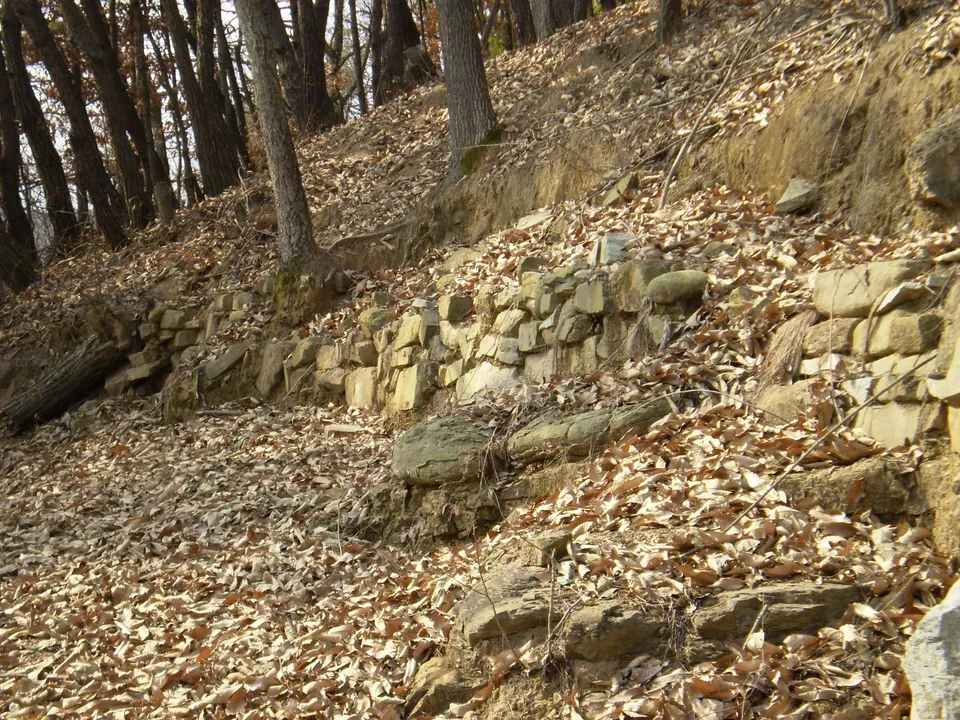
Visviva · Public domain · Source
King Uija, crowned in 641, personally took some forty fortresses in western Silla in the seventh month of 642. In the eighth month Yunchung attacked Daeya (Hapcheon), the key to the Nakdong frontier, with 10,000 men. Its commander Kim Pum-seok, Kim Chun-chu’s son-in-law, had taken the wife of his subordinate Geomil, who in revenge conspired with Baekje and set fire to the granary. Pum-seok killed his wife and children and then himself; Jukjuk fought to the death.
Silla lost the land west of the Nakdong and made Kim Yu-sin governor of Amnyang (Gyeongsan) to rebuild its defences. Grieving his daughter, Kim Chun-chu went to Goguryeo for help, but Goguryeo demanded its old lands north of Jungnyeong and held him captive. Released at last, he went to Tang in 648 and concluded the Silla–Tang alliance.