Fall of the Tang and the Five Dynasties and Ten Kingdoms
Also called: Five Dynasties and Ten Kingdoms
In 907 the military governor Zhu Wen ended the Tang and founded the Later Liang. Until 960 five dynasties followed one another in the north while ten kingdoms rose in the south and elsewhere.
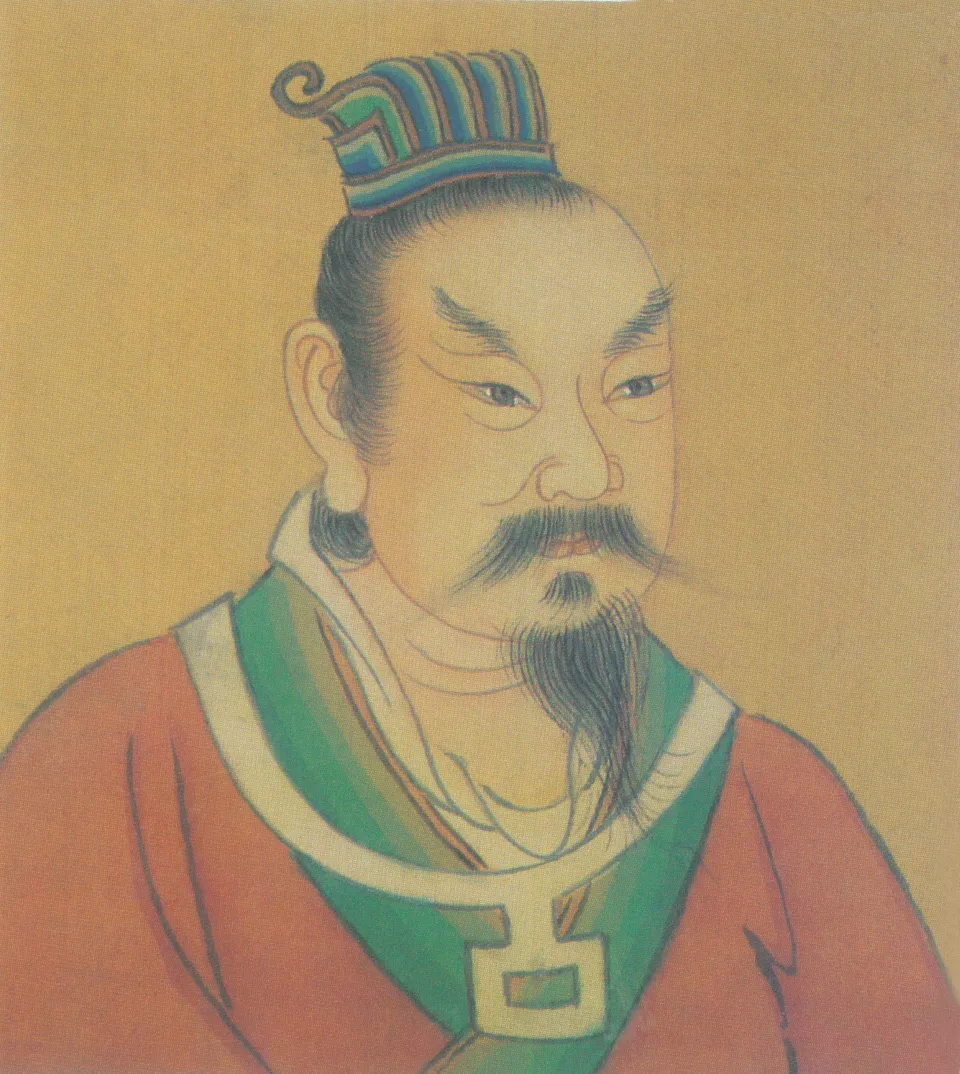
Unknown author · Public domain · Source
After the Huang Chao Rebellion, Zhu Wen, governor of Bianzhou (Kaifeng), seized the emperor, wrecked Chang’an and in 907 took the throne from the last Tang emperor, founding the Later Liang. Over the next half-century five dynasties — Later Liang, Later Tang, Later Jin, Later Han and Later Zhou — succeeded one another in the north, while ten kingdoms, among them Wu, Southern Tang, Wuyue and Former Shu, arose in the south and Sichuan. While the north was ravaged by war, the southern states were relatively stable, and tea, ceramics and maritime trade flourished there.
It was an age of soldiers, when governors with armies made themselves emperors. Shi Jingtang of the Later Jin paid for Khitan help in founding his dynasty by ceding the Sixteen Prefectures of Yan and Yun to the Khitan in 936. Amid the turmoil the old aristocracy vanished, and the newly risen landlords became the scholar-officials of the Song.
In the same years Korea passed through the chaos of late Silla and the Later Three Kingdoms to unification under Goryeo, and Goryeo and Later Baekje sent envoys to the Five Dynasties and to Wuyue.