Fall of Tianjing and the End of the Taiping
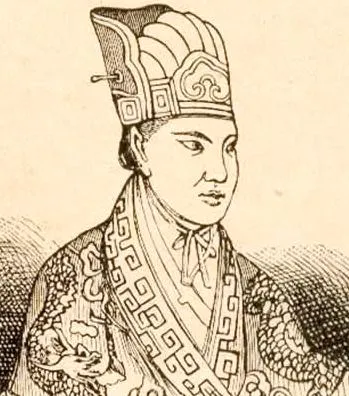
In July 1864 the Xiang Army under Zeng Guoquan took the Taiping capital Tianjing (Nanjing). Hong Xiuquan had died six weeks earlier, and a fourteen-year civil war that cost more than twenty million lives was drawing to a close.
Having taken Nanjing in 1853 and named it Tianjing, the "Heavenly Capital", the Taiping once ruled much of the middle and lower Yangtze. But in 1856 a bloody purge among its leaders (the Tianjing Incident) badly weakened it.
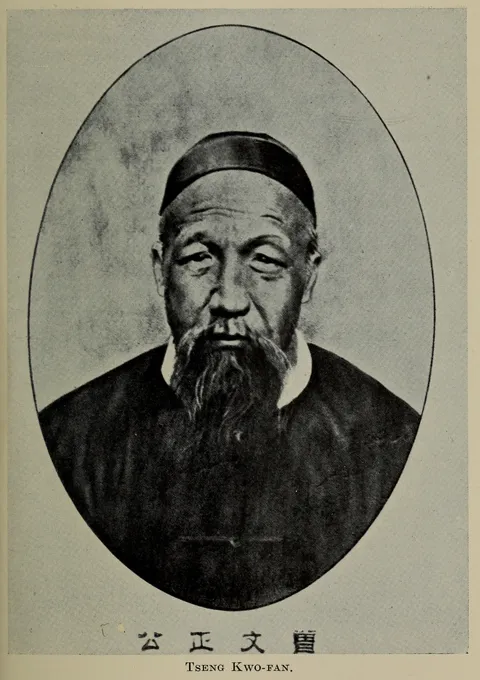
The regular Qing Banner and Green Standard armies could not stop the Taiping; the suppression was led by militia raised by Han Chinese officials — Zeng Guofan’s Xiang Army from his native Hunan and Li Hongzhang’s Huai Army. At Shanghai the Western-officered Ever-Victorious Army also helped, and Britain and France, reconciled with the Qing by the Convention of Beijing, now took its side.
Hong Xiuquan died of illness on 1 June 1864, and on 19 July Zeng Guofan’s brother Zeng Guoquan blew a breach in the walls and entered Tianjing. Remnant Taiping armies fought on for some years, but the Qing went on to pursue the Self-Strengthening Movement through the Han officials who had won the war.