World · History1757 – 186417 events

The Opium Wars

From the single gate at Canton to the burning of the Old Summer Palace — a century in which a trade in tea, silver and opium became the First and Second Opium Wars, forcing China open and costing it territory
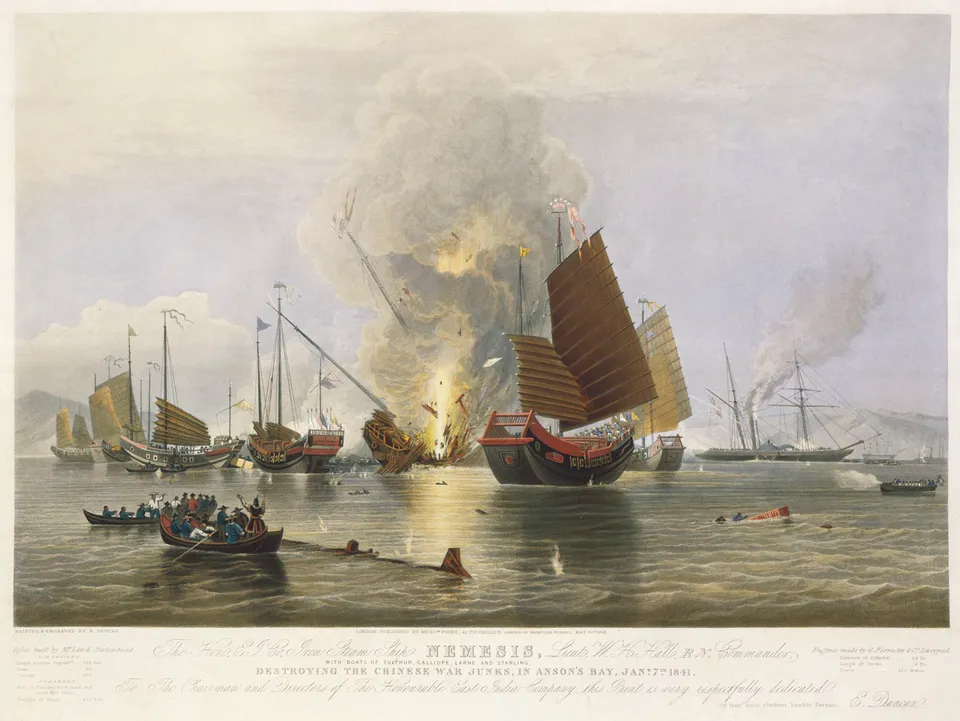
청의 정크선을 부수는 동인도 회사의 철제 증기선 네메시스호 — 1841년 1월 7일 촨비 앞바다

Edward Duncan · Public domain · Source
The theme on the map

OpenFreeMap © OpenMapTiles © OpenStreetMap contributors

17 events in this theme

  1. 1757 – 1842The Canton System

    In 1757 the Qianlong Emperor confined Western shipping to Guangzhou (Canton), where only the licensed merchant guild, the Cohong, could deal with foreigners. The system ended with the Treaty of Nanjing (1842) after the Opium War.

  2. In 1773 the British East India Company made Bengal opium a monopoly, auctioned at Calcutta and smuggled into China. Silver that had flowed out for tea began to flow back as payment for opium.

  3. In 1793 Britain’s Macartney embassy met the Qianlong Emperor at Rehe and asked for wider trade and a resident envoy; the emperor refused everything, declaring that the Celestial Empire “possesses all things in abundance”.

  4. In 1839 Imperial Commissioner Lin Zexu blockaded the foreign factories at Canton, forced the surrender of more than 20,000 chests of British opium, and destroyed it on the shore at Humen with lime and salt, flushing it into the sea.

  5. When Qing China cracked down on opium smuggling, Britain went to war and won. By the Treaty of Nanjing China ceded Hong Kong and opened five ports — the start of the opening of East Asia.

  6. In January 1841 British forces, led by the iron steamer Nemesis, destroyed the Chuanbi forts and on 26 January landed on Hong Kong Island and raised the flag. The island was ceded to Britain the following year by the Treaty of Nanjing.

  7. In July 1842 British forces sailed up the Yangtze and took Zhenjiang, where the Grand Canal crosses the river. With China’s north–south waterway cut, the Qing sued for peace before Nanjing.

  8. 1851 – 1864Taiping Rebellion

    A peasant army led by Hong Xiuquan rose to "destroy the Manchus and restore the Han", set up the Taiping Heavenly Kingdom with Nanjing as its capital and defied the Qing for fourteen years until Han Chinese militias and Western-led troops crushed it.

  9. Using the Arrow incident as a pretext, Britain and France attacked Qing China and occupied Beijing. Under the treaties of Tianjin and Beijing China opened more ports, while Russia, acting as mediator, gained the Maritime Province and came to share a border with Korea.

  10. 1856 – 1857The Arrow Incident

    In October 1856 Qing officials in Canton boarded the Hong Kong-registered lorcha Arrow on suspicion of piracy and seized its crew. Britain bombarded Canton, claiming an insult to its flag, and the Second Opium War began.

  11. In May 1858 Nikolay Muravyov, Governor-General of Eastern Siberia, and the Qing general Yishan signed a treaty at Aigun making the land north of the Amur Russian and placing the land east of the Ussuri under joint rule.

  12. In June 1859 a British squadron escorting the British and French envoys on their way to ratify the Treaty of Tianjin tried to force the mouth of the Hai River and was badly beaten by Senggelinqin’s rebuilt Dagu forts.

  13. In October 1860 Anglo-French forces reached Beijing, looted the Qing imperial garden palace of Yuanmingyuan and, on Lord Elgin’s order, burned it. The Xianfeng Emperor had already fled to Rehe.

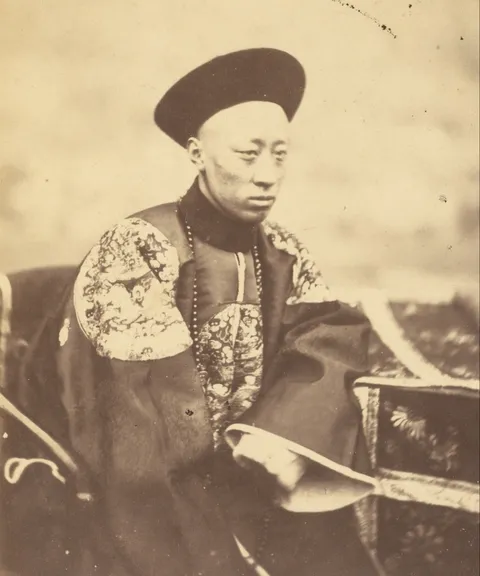
  14. In October–November 1860 Prince Gong signed the Convention of Beijing with Britain, France and Russia. China opened Tianjin, ceded southern Kowloon to Britain, and gave Russia, which had acted as mediator, the Maritime Province east of the Ussuri.

  15. When the Xianfeng Emperor died at Rehe in 1861, eight ministers led by Sushun became regents for the six-year-old Tongzhi Emperor. In November the two empresses dowager, Ci’an and Cixi, joined Prince Gong to overthrow them and began to rule from behind the screen.

  16. Han Chinese officials who had crushed the Taiping adopted Western arms and technology under the slogan "Chinese learning as substance, Western learning for use", founding arsenals, shipyards and modern enterprises. Defeats by France and Japan exposed its limits.

  17. In July 1864 the Xiang Army under Zeng Guoquan took the Taiping capital Tianjing (Nanjing). Hong Xiuquan had died six weeks earlier, and a fourteen-year civil war that cost more than twenty million lives was drawing to a close.

Key people

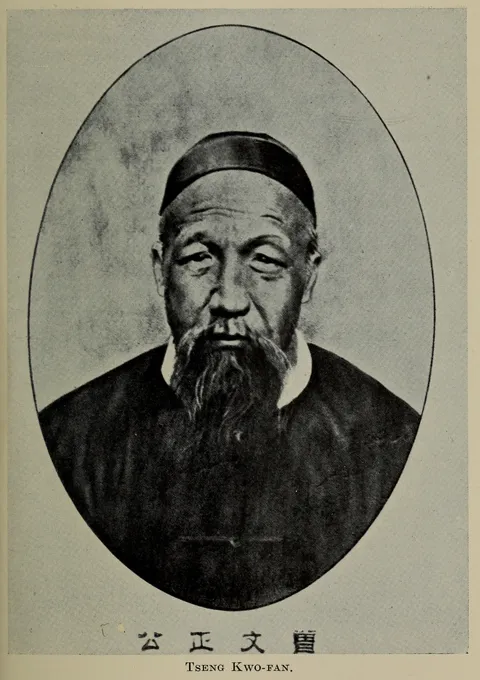
  • Zeng Guofan1811 – 1872

    Han Chinese official who raised the Xiang Army to crush the Taiping and launched the Self-Strengthening Movement

  • Qianlong Emperor (Gaozong of Qing)1711 – 1799

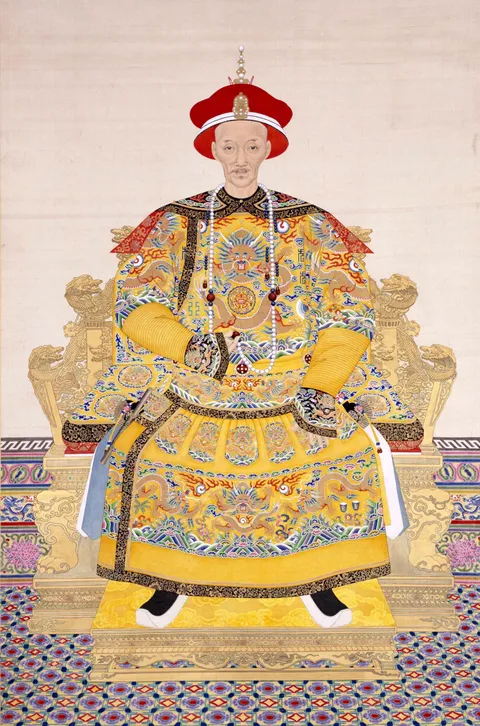
    Sixth Qing emperor (r. 1735–1796), who destroyed the Dzungars and conquered Xinjiang, giving the Qing its greatest extent, and had the Complete Library of the Four Treasuries compiled

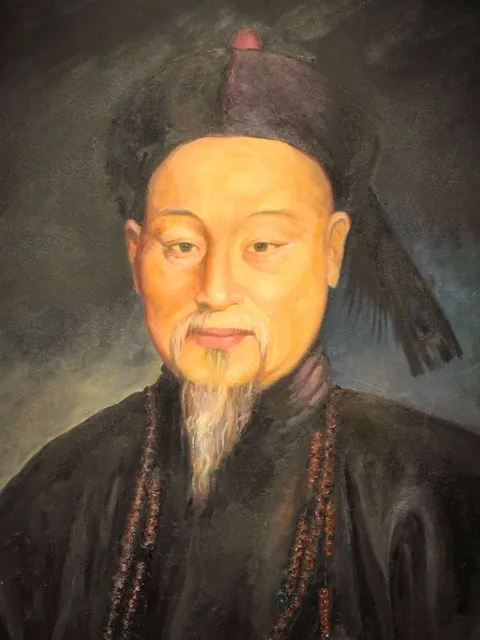
  • Lin Zexu1785 – 1850

    Qing official who, as imperial commissioner at Canton, seized and destroyed British opium, setting off the Opium War

  • Charles Elliot1801 – 1875

    British naval officer and diplomat, Superintendent of Trade at Canton, who surrendered the opium to Lin Zexu and took Hong Kong Island in 1841, only to be recalled for settling for too little

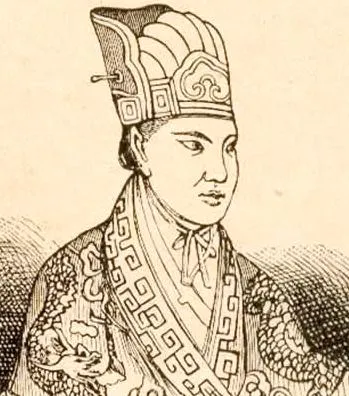
  • Hong Xiuquan1814 – 1864

    Founder of the God Worshipping Society and the Taiping Heavenly Kingdom, who called himself the Heavenly King and made Nanjing his capital

  • Li Hongzhang1823 – 1901

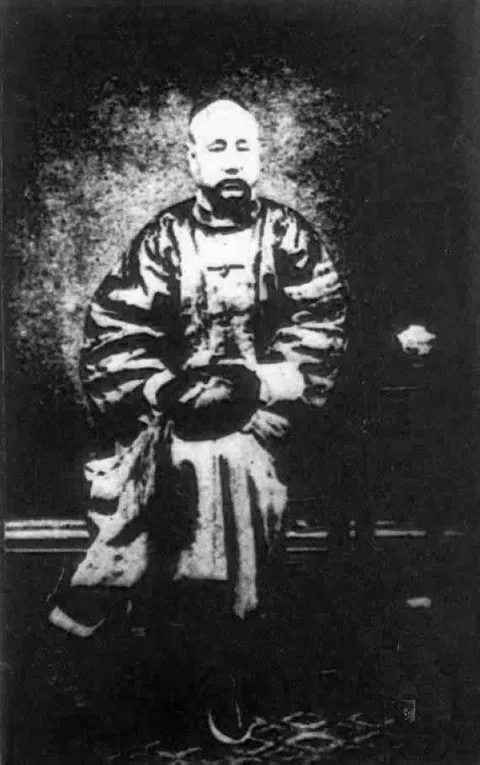
    Qing viceroy who steered policy toward Korea after 1882 and signed the Tianjin Convention and the Treaty of Shimonoseki with Itō Hirobumi

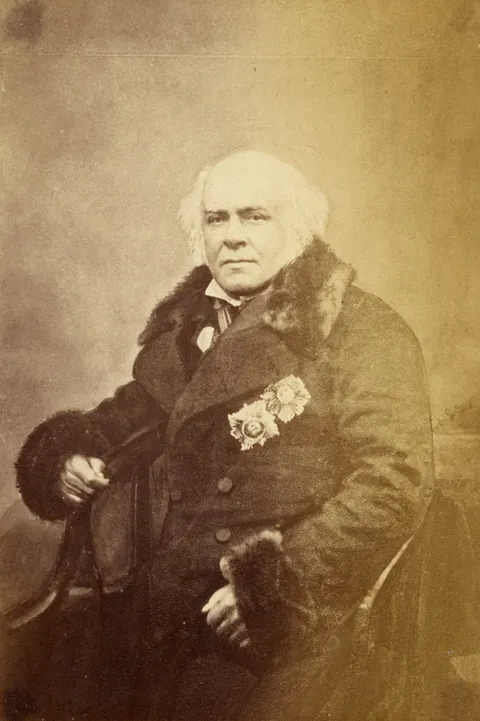
  • James Bruce, 8th Earl of Elgin1811 – 1863

    British diplomat, plenipotentiary in the Second Opium War, who concluded the treaties of Tianjin and Beijing and ordered the burning of the Yuanmingyuan in 1860; son of the Elgin of the Parthenon marbles

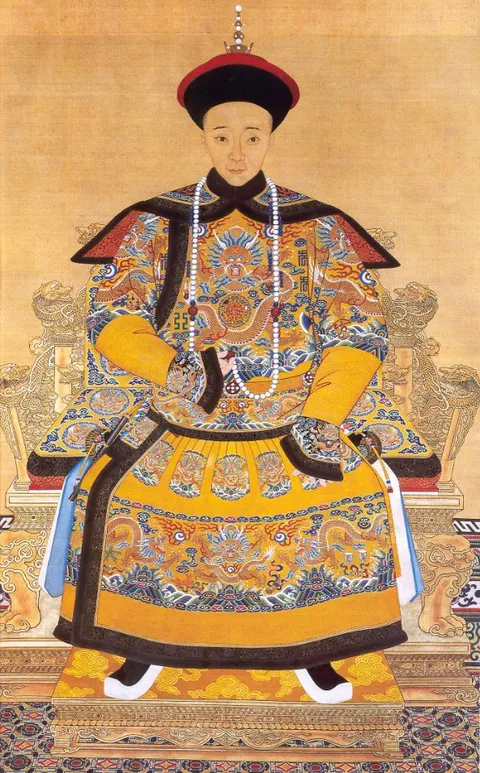
  • Xianfeng Emperor1831 – 1861

    Ninth Qing emperor (r. 1850–1861), who faced the Taiping Rebellion and the Second Opium War, fled to Rehe as Anglo-French forces neared Beijing in 1860, and died there

  • Prince Gong (Yixin)1833 – 1898

    Son of the Daoguang Emperor and brother of Xianfeng, who stayed in Beijing in 1860 when the emperor fled, signed the Convention of Beijing, and from 1861 led the Zongli Yamen and the Self-Strengthening Movement

  • George Macartney1737 – 1806

    British diplomat who led Britain’s first embassy to China in 1792–1794 and met the Qianlong Emperor at Rehe, but was refused wider trade

  • Daoguang Emperor1782 – 1850

    Eighth Qing emperor (r. 1820–1850), who sent Lin Zexu to Canton to stamp out opium but lost the Opium War and signed the Treaty of Nanjing

  • Senggelinqin1811 – 1865

    Qing general of Mongol Khorchin birth who repulsed the British fleet at the Dagu forts in 1859, was beaten by the Anglo-French at Baliqiao the next year, and fell fighting the Nian rebels in Shandong