The first dinosaurs
Also called: Eoraptor, Herrerasaurus
The earliest dinosaurs appeared in the Late Triassic, about 230 million years ago — Eoraptor and Herrerasaurus from Ischigualasto, Argentina, are the best known.
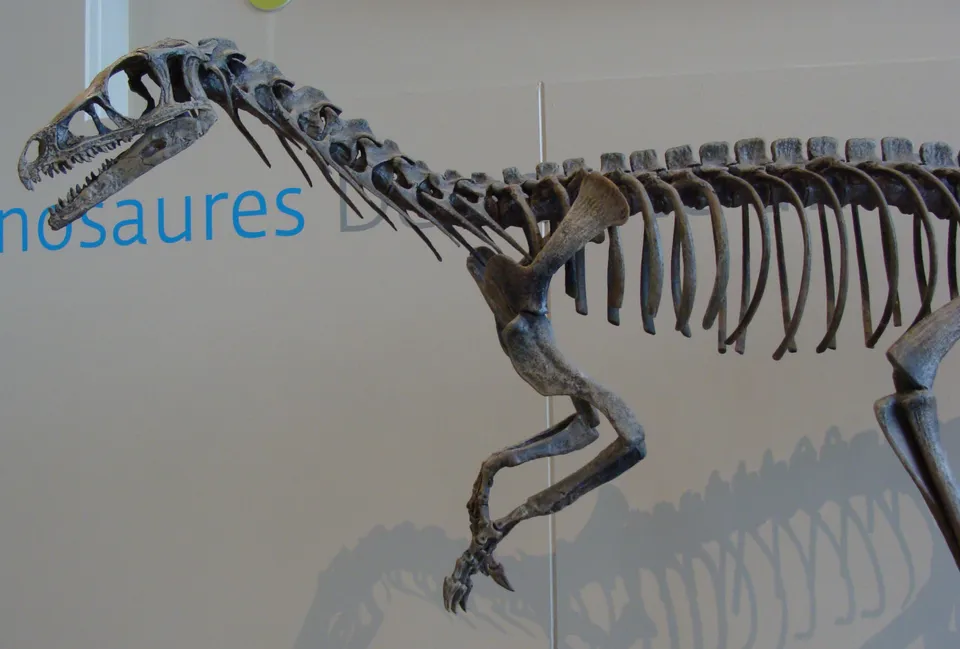
Among the reptiles that survived the great extinction arose a group that walked upright on their hind legs, and about 230 million years ago the dinosaurs appeared among them. Eoraptor and Herrerasaurus, from rocks about 231 million years old at Ischigualasto in Argentina, and Staurikosaurus from Brazil are among the earliest dinosaurs known. They were about the size of a dog and lived in the south of Pangaea (Gondwana).
When the eruptions and extinction at the end of the Triassic (about 201 million years ago), as Pangaea began to break apart, cleared away their rivals, the dinosaurs ruled the land through the Jurassic and Cretaceous for more than 160 million years. Today’s birds are one branch of the dinosaurs.