Gando Convention
Leaving out the Korean Empire, which had lost its diplomatic rights, Japan signed a convention with Qing recognizing Gando as Chinese territory in return for railway and mining rights in southern Manchuria.
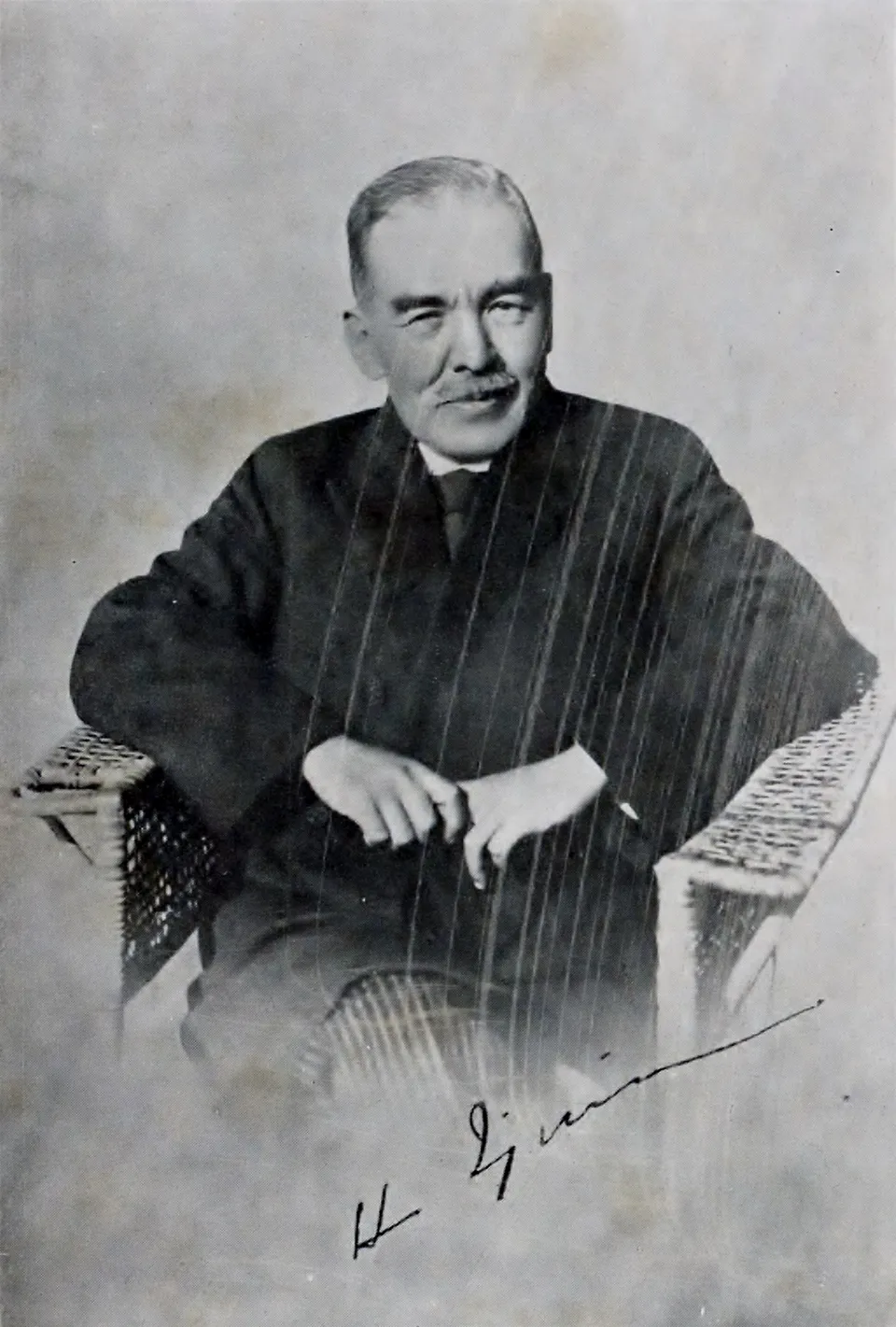
Unknown author · Public domain · Source
From the late 1800s many Koreans crossed the Tumen to farm in Gando. If the "Tomun" named as the eastern boundary on the 1712 Baekdusan stele is read as a tributary of the Songhua, Gando was Korean, and Joseon and Qing negotiated the border in the 1880s. The Korean Empire sent Yi Beom-yun to inspect the region in 1902 and made him its administrator the next year to govern the Koreans there directly.
After the 1905 treaty Japan opened a Residency-General branch office in Gando, but in September 1909 it handed the region to Qing in return for the right to build the Andong–Mukden railway and to mine coal at Fushun. Some argue the convention is void, having been concluded by a third country after Korea was stripped of its diplomatic rights.