The Hundred Schools of Thought
Also called: Hundred Schools, Contention of a Hundred Schools
As lords of the Spring and Autumn and Warring States periods sought able men, Confucians, Daoists, Mohists, Legalists and many others (the Hundred Schools) offered rival ways of governing.
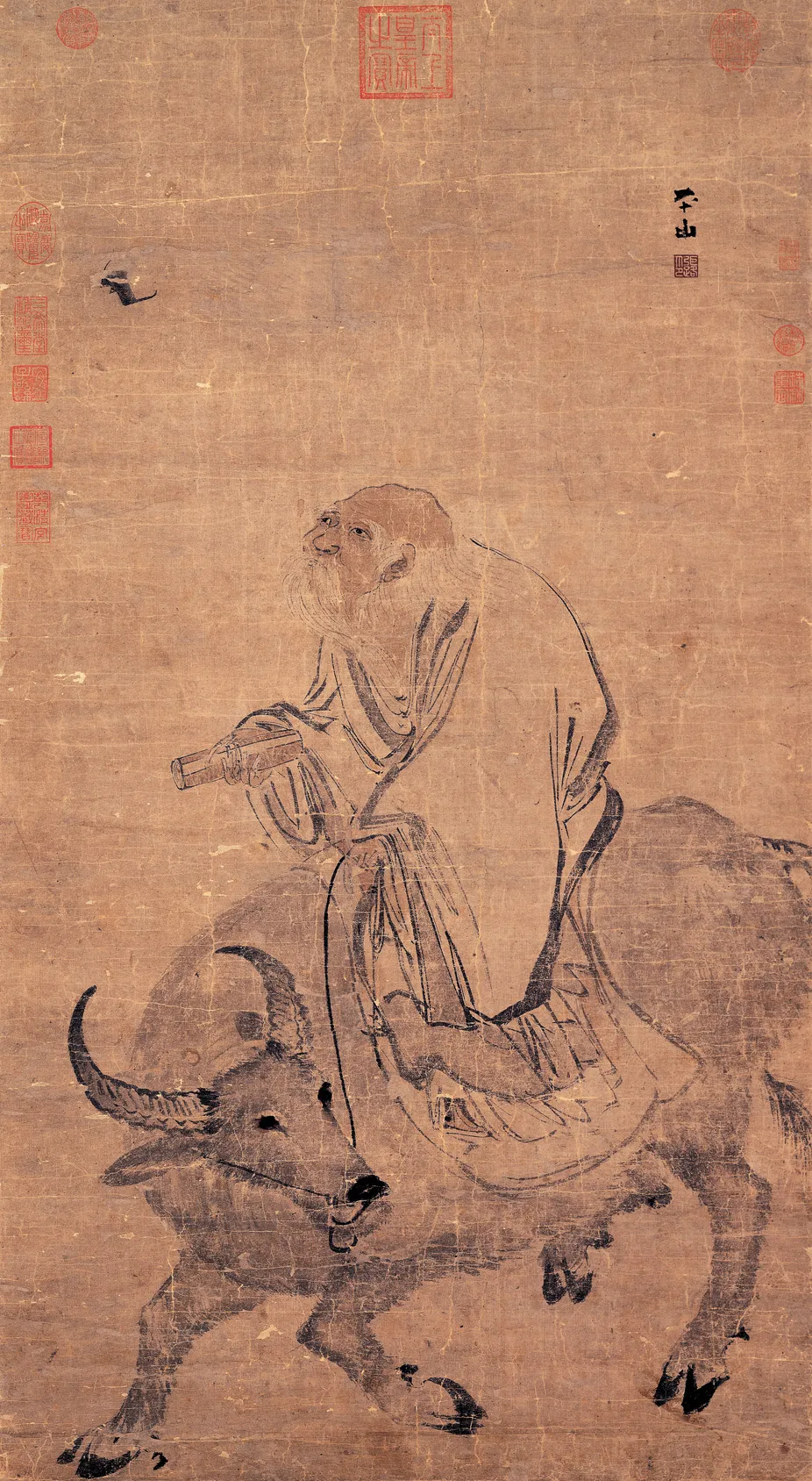
Zhang Lu · Public domain · Source
To make their states rich and strong, the lords of the Spring and Autumn and Warring States periods recruited able men regardless of birth. Thinkers from the shi (scholar-official) class seized the chance to offer their own remedies for the age; they are known as the Hundred Schools of Thought. Scholars gathered to debate at the Jixia academy in Linzi, capital of Qi.
Among the Confucians, Mencius held that human nature is good and argued for the kingly way of rule by virtue and for the people as the root of the state, saying that a ruler who neglected the people could rightly be replaced. Xunzi held that human nature is bad and must be shaped by ritual. The Daoists Laozi and Zhuangzi urged people to abandon artifice and follow the natural Way (wuwei); the Mohist Mozi preached impartial love, opposition to wars of aggression and frugality. The Legalists Shang Yang and Han Feizi held that the state must be ruled by strict laws, rewards and punishments. There were also the Yin-Yang school, military thinkers (Sunzi), the strategists of alliances (vertical and horizontal) and the logicians.
Legalism guided Qin to unification, Confucianism became the governing ideology after Emperor Wu of Han, and Daoism later grew into the Daoist religion. The thought of this era became the root of East Asian philosophy.